Cuba’s Enigmatic Callonia Snail: Scaled Funnel Shell Redefines Mollusk Morphology


Insect Information
Cuba’s Enigmatic Callonia Snail: Scaled Funnel Shell Redefines Mollusk Morphology

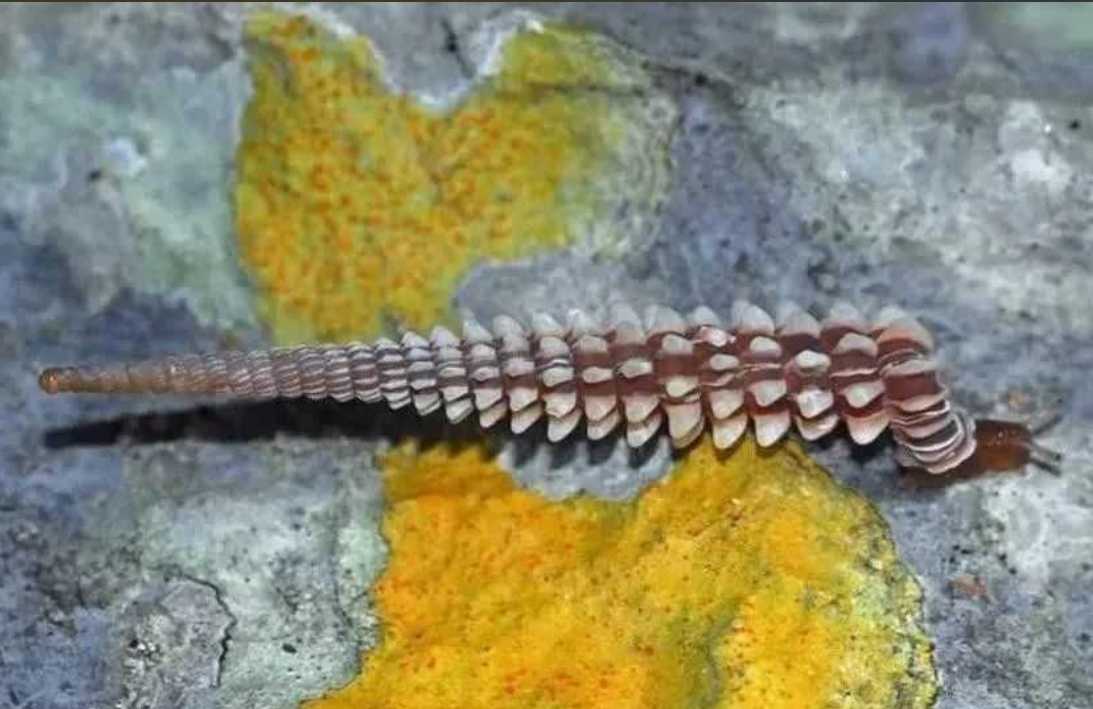
Endemic to Cuba’s mist-shrouded mountain ranges, the Callonia snail (genus Callonia) perplexes biologists with its scale-covered, funnel-shaped shell—an evolutionary departure unmatched in the mollusk kingdom. Discovered in the 1930s, this rare gastropod thrives in cloud forests above 1,000 meters, its unique form hinting at adaptations to Cuba’s karst landscapes. Though poorly studied, its striking shell has become a symbol of island biodiversity under threat.


A Biological Funnel: Anatomy and Adaptive Design

The Callonia snail’s most iconic trait is its elongated, funnel-shaped shell (up to 7 cm), armored with keratinous scales resembling reptilian plates. These scales likely deter predators, while the funnel structure aids navigation on steep limestone cliffs. Microscopic ridges on each scale enhance grip on wet surfaces, allowing vertical rock climbing—uncommon in land snails.


Coloration ranges from mottled olive to chestnut, with ivory-edged scales camouflaging it among mossy rocks. Unlike spiral shells, its funnel form lacks a central apex, representing a radical evolutionary divergence. The mantle secretes sticky mucus that traps debris on scales, further enhancing concealment.

Cloud Forest Life and Conservation Risks

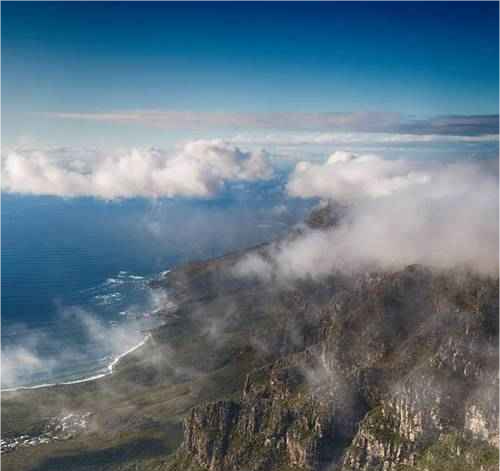
Restricted to Cuba’s Sierra Maestra and Escambray Mountains, Callonia feeds on lichens and detritus, using a specialized radula to scrape rock surfaces. Nocturnal by nature, it shelters in crevices during the day to avoid drying out. Females lay only 2–3 eggs annually, limiting population recovery.


Habitat loss from coffee plantations and logging has fragmented its range, while invasive rosy wolfsnails prey on native mollusks. Classified "Data Deficient" by the IUCN, Callonia is a priority for Cuban conservationists, who run captive breeding programs in the Santiago de Cuba Botanical Garden. Its survival depends on preserving cloud forest microclimates—ecosystems increasingly vulnerable to climate change.


In Cuba’s misty peaks, the Callonia snail embodies evolutionary ingenuity. Its scaled funnel shell, a marvel of natural design, underscores the urgency of protecting island endemics before their secrets vanish with their habitats.

Latest Stories
Entertainment News1 minute readAnya Taylor-Joy, born April 16, 1996, in Miami, Florida, holds U.S., British, and Argentine citizenship—a global background that mirrors her ability to inhabit diverse roles across film and television.
Animal Information1 minute readThe Atossa fritillary (Speyeria adiaste atossa), a butterfly once common in Southern California’s mountain regions, is feared extinct, with no confirmed sightings since 1959. Characterized by its broad wings decorated with elegant black spots, the species once thrived across the area’s rugged landscapes.
Entertainment News1 minute readMargot Robbie, the Australian actress, ranked 7th in FHM’s 2015 “World’s Sexiest Women” list, a testament to her striking allure that complements her dynamic career.
Sports News1 minute readWith the 2026 Milano Cortina Winter Olympics approaching, full schedules for Winter Sports World Cups and qualifying events are now available. The newly updated Sports Observer calendar includes 699 exclusive events for 2025 and 2026, plus select major competitions through 2034, serving as a key resource for athletes and fans.
Animal Information1 minute readRed foxes, scientifically known as Vulpes vulpes, are among the most widespread and adaptable carnivores on Earth, thriving across diverse habitats from the frozen tundras of the Arctic to the bustling outskirts of urban centers. Their iconic rusty-red coat, white underbelly, and bushy tail—often tipped with white—make them easily distinguishable, while their pointed ears and sharp snouts reflect their keen senses, critical for survival.
Sports News2 minute readThe International Olympic Committee (IOC) has announced the selection of seven research projects for the 11th edition of the Advanced Olympic Research Grant Programme, which is managed by the IOC’s Olympic Studies Centre (OSC). The chosen projects were selected for their academic quality and relevance to the IOC’s defined priority research areas for the Olympic Movement.
Social News1 minute readMyanmar, in Southeast Asia, evokes images of illicit activities like fraud and organ trafficking for many. Yet behind this grim reputation lies a land of immense potential: 680,000 square kilometers of diverse terrain—mountains, plateaus, and river deltas—fringed by 3,200 km of coastline, with the famed Golden Triangle within its borders.