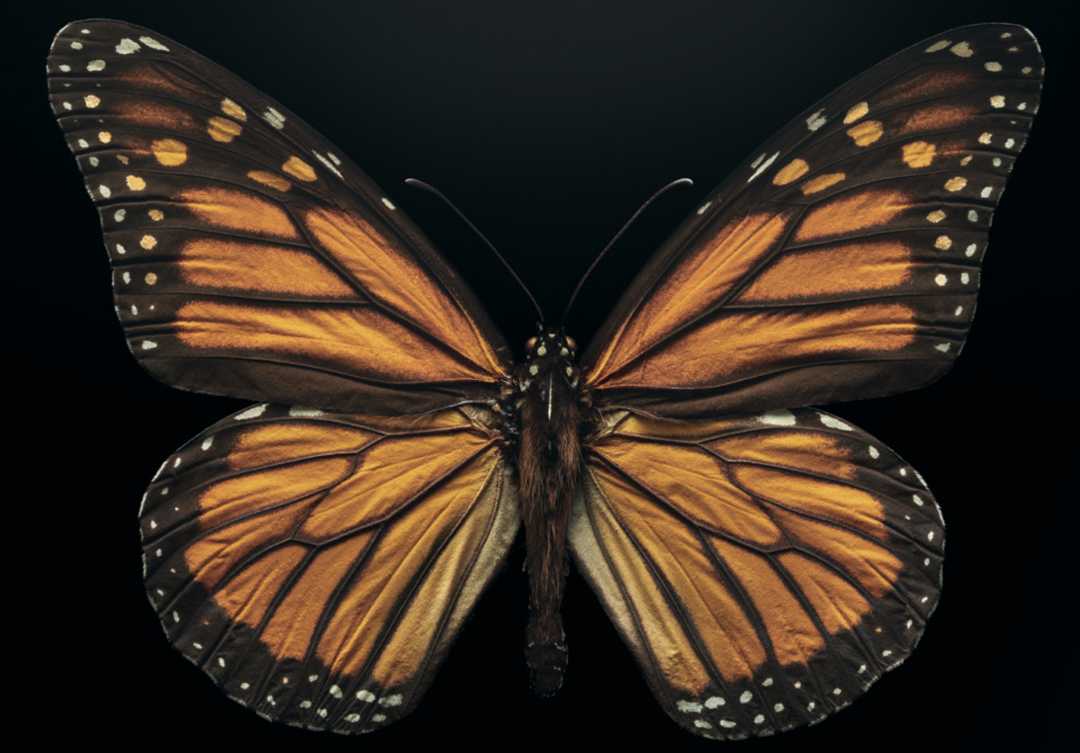
The Alarming Decline of Monarch Butterflies: A North American Icon at Risk
The Monarch butterfly (Danaus plexippus), once a beloved and iconic insect across North America, has been experiencing a continuous and distressing decline in population over recent decades, yet still awaits formal protection. This species, renowned for its spectacular long - distance migrations, has captured the hearts of people with its bright orange and black wings.
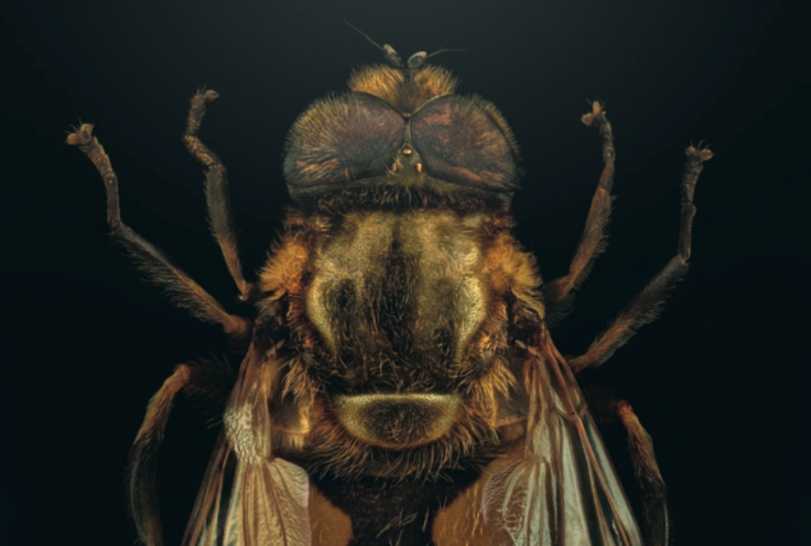
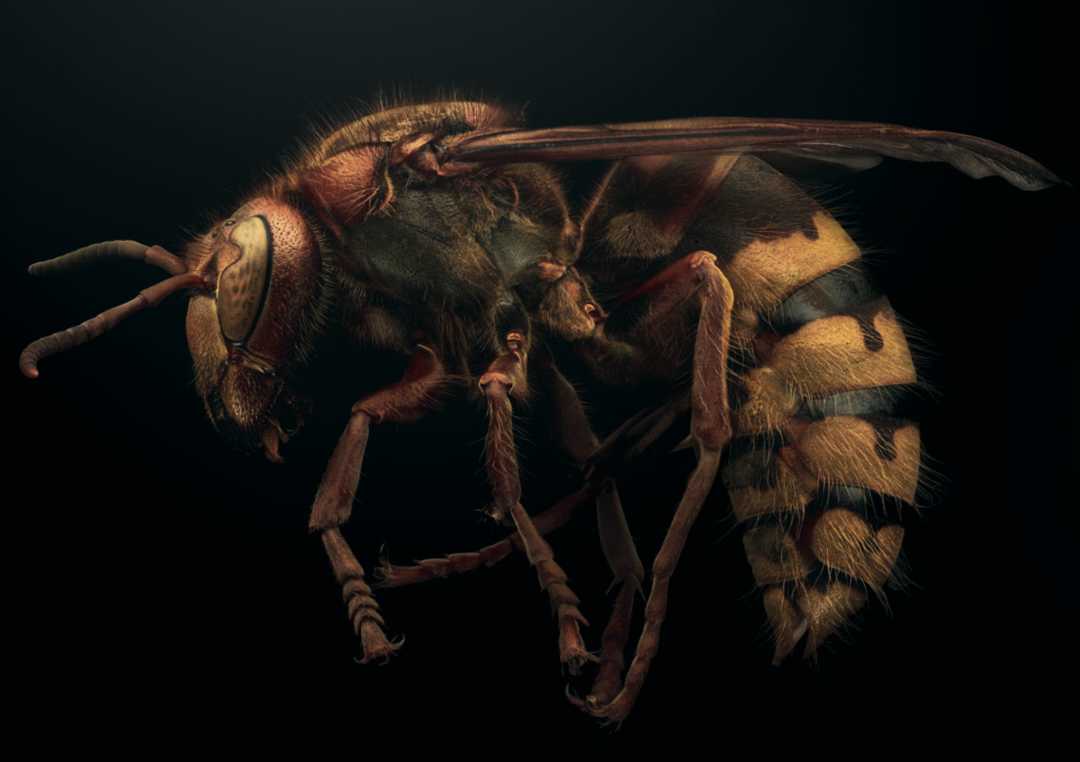
The Yellow - Bordered Hornet: A Wasp of Contrasting Fortunes
The yellow - bordered hornet, scientifically known as Vespa crabro, is a striking insect that commands attention with its size and distinct appearance. As the largest hornet species in Europe, it has long been a part of the region's ecosystems, but its recent decline in numbers has puzzled researchers.
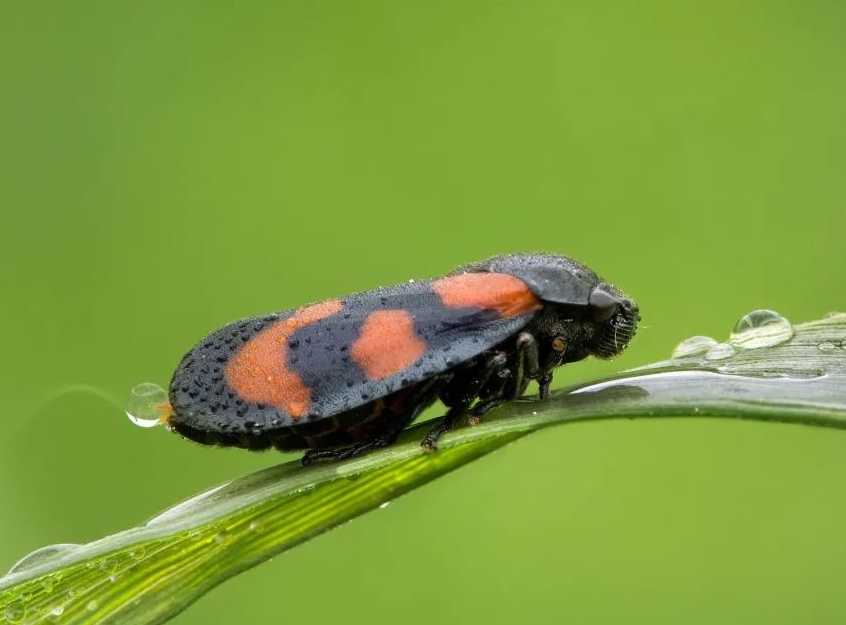
Spittlebugs: Nature's Mighty Jumpers and Foam - Nest Builders
Spittlebugs, remarkable for their athletic leaping abilities, rank among the strongest jumping insects on the planet. These tiny arthropods, belonging to the family Cercopidae, blend plant - feeding habits with a unique parental strategy, making them a fascinating subject in entomology.
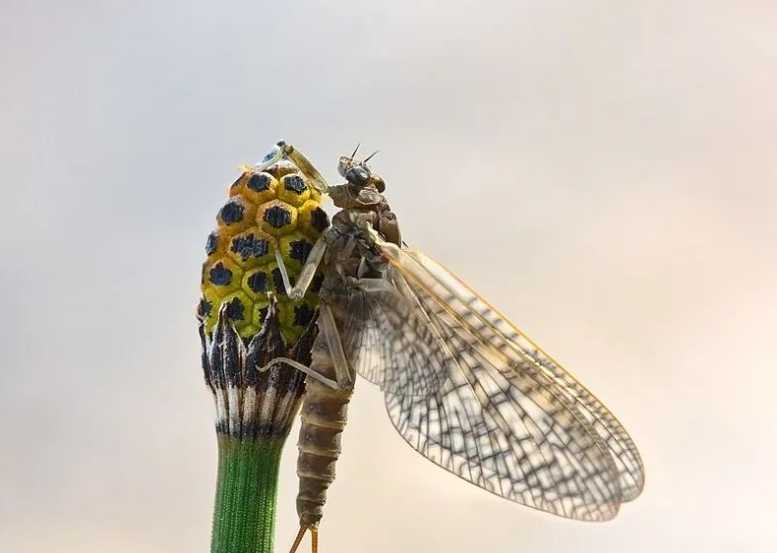
Mayflies: Nature's Ephemeral Wonders with a One - Day Legacy
Mayflies, renowned as the insects with the shortest adult lifespan, live for just a single day, a fleeting existence that has captivated scientists and poets alike. These ancient winged creatures, belonging to the order Ephemeroptera, are among the most primitive flying insects, retaining evolutionary traits that hark back to prehistoric times.
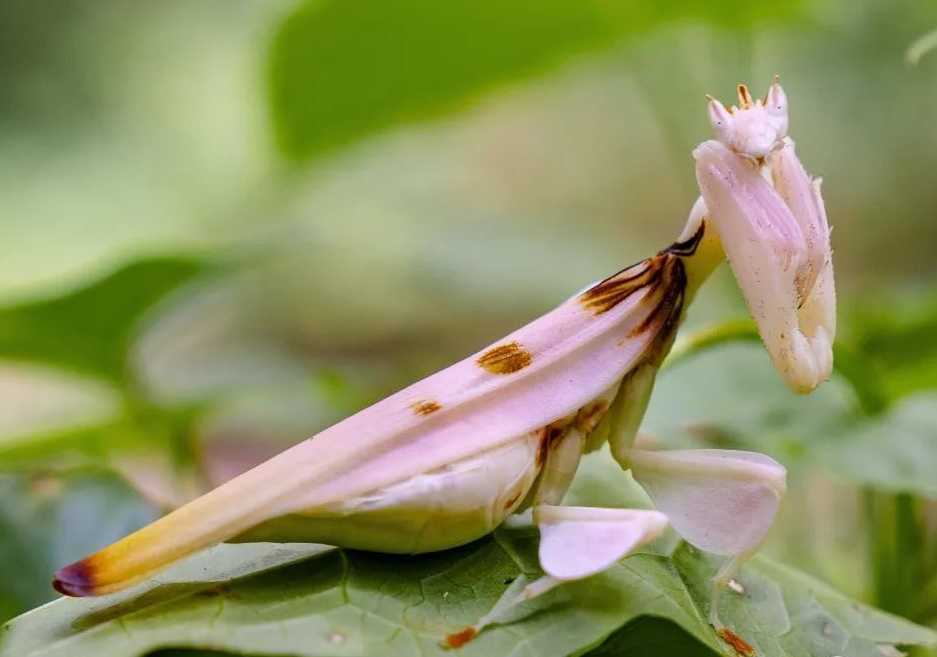
Orchid Mantis: Nature's Perfect Floral Mimic with Extreme Sexual Dimorphism
The orchid mantis (Hymenopus coronatus) stands as a marvel of evolutionary adaptation, renowned for its uncanny ability to mimic orchids—an illusion so precise it deceives both prey and observers. This species exemplifies extreme sexual dimorphism, with adult females reaching 6–7 centimeters in length, while males measure a mere 2.5 centimeters. This size disparity is matched by striking differences in appearance, making them one of the most visually distinct insect species.
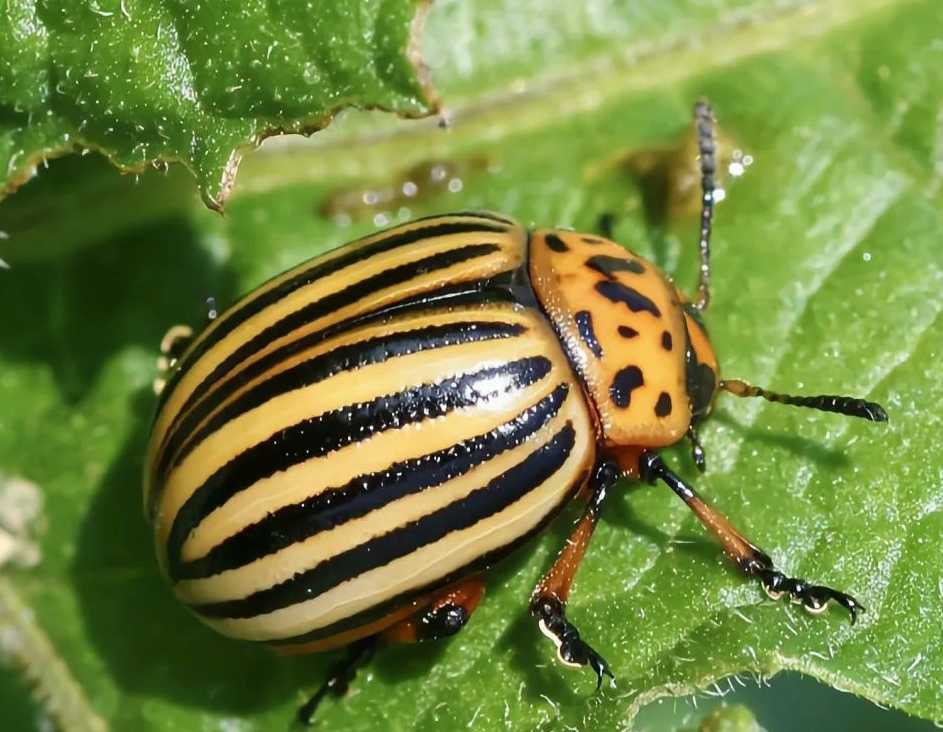
The Colorado Potato Beetle (Leptinotarsa decemlineata): A Persistent Agricultural Menace
The Colorado potato beetle, scientifically known as Leptinotarsa decemlineata, is a notorious insect pest recognized by its distinctive yellow-orange elytra striped with ten black longitudinal lines. Native to North America, this beetle has earned global infamy for its voracious appetite for potato leaves and its remarkable ability to develop resistance to pesticides, making it a top quarantine target worldwide.
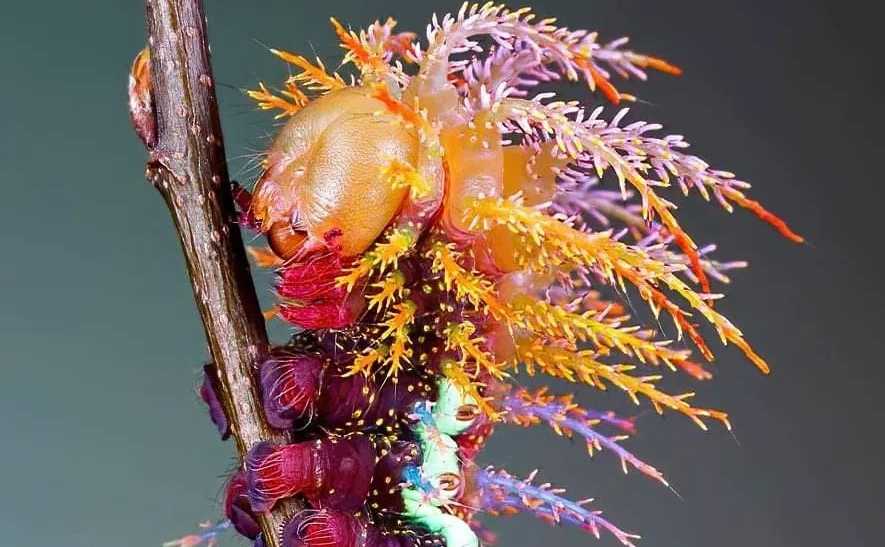
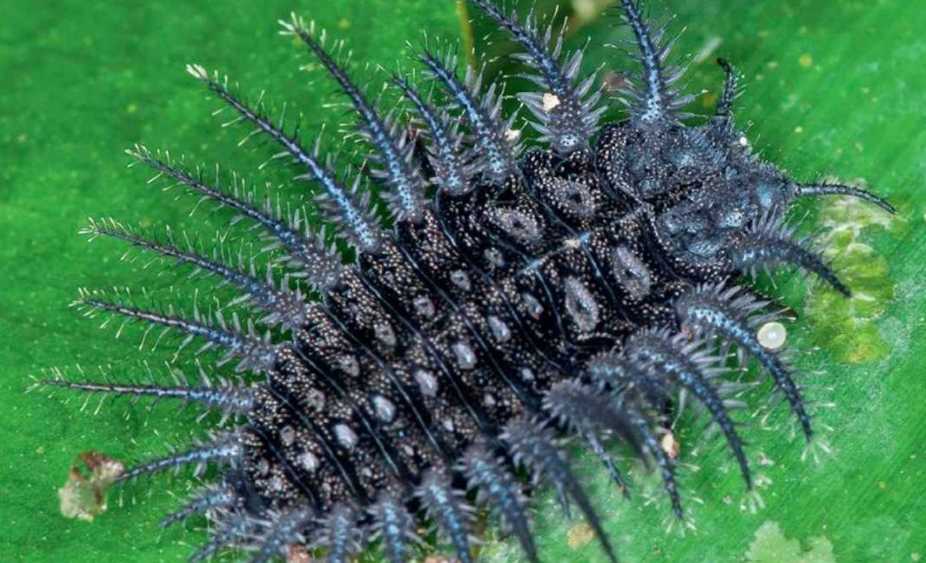
Vibrant Purple Caterpillar Sparks Wonder: What Will Its Butterfly Form Look Like?
A striking purple caterpillar recently spotted in a Costa Rican rainforest has captivated entomologists and nature enthusiasts alike. The creature, with its vivid hue and unique texture, has sparked curiosity about the transformation it will undergo into an adult butterfly.