In our previous two issues, we talked about the "Top 10 Favorite Dishes of Brazilians" and the "Truly Recommended Drinks by Local Brazilians." Today, let's dive into the world of Brazilian street snacks! Brazil, a vast and diverse South American country rich in natural resources, offers a culinary experience that is worth exploring in multiple articles. This time, we've selected 10 popular Brazilian snacks beloved by locals. These snacks may not look particularly stunning, but they all exude an authentic "Brazilian flavor."
Brazil, a vast and diverse South American country rich in natural resources, offers a culinary experience that is worth exploring in multiple articles. This time, we've selected 10 popular Brazilian snacks beloved by locals. These snacks may not look particularly stunning, but they all exude an authentic "Brazilian flavor."
01 Pão de Queijo (Cheese Bread)
Source: Images from the Internet, if there is any infringement, please contact the removal of
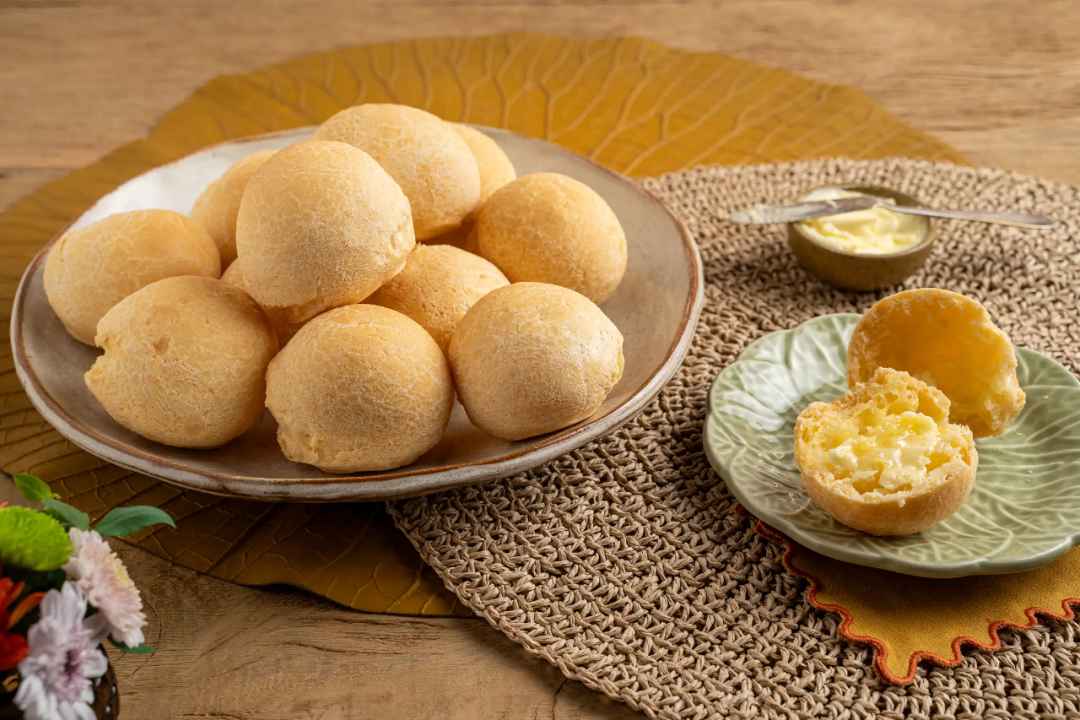
It is one of the most representative national breakfasts in Brazil! Among the top 10 Brazilian delicacies we recommended before, it ranks fifth as a snack, indicating its significant status.
Cheese bread originated in the state of Minas Gerais. Initially, it was small balls made from cassava flour by slaves. Later, cheese was added, making it fragrant and delicious. The small bread made from cassava flour has a chewy and stretchy texture, similar to glutinous rice balls. It is crispy on the outside and soft on the inside, with a rich milky aroma, and pairs perfectly with a cup of black coffee.
02 Coxinha (Chicken Croquette)
Source: Images from the Internet, if there is any infringement, please contact the removal of
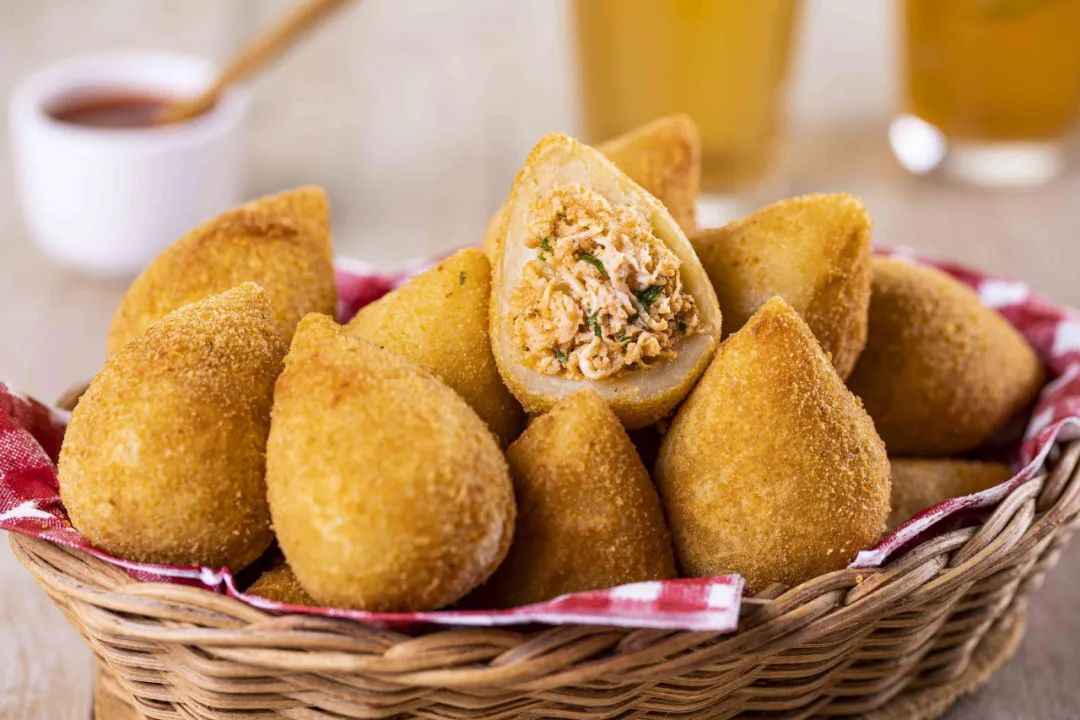
This is a fried chicken croquette that looks like a chicken drumstick. Inside, it has a filling made of shredded chicken breast mixed with Catupiry cheese. The outer layer is breaded and fried until golden and crispy.
Legend has it that it was invented for a little prince in the royal family who only liked to eat chicken drumsticks. Later, it gradually became a "worker's lunch" during the industrialization period. Nowadays, it can be found in snack stalls, bakeries, and cafes all over the country. Paired with some chili sauce or garlic mayonnaise, it makes a perfect late-night snack.
03 Pastel (Fried Pie)
Source: Images from the Internet, if there is any infringement, please contact the removal of
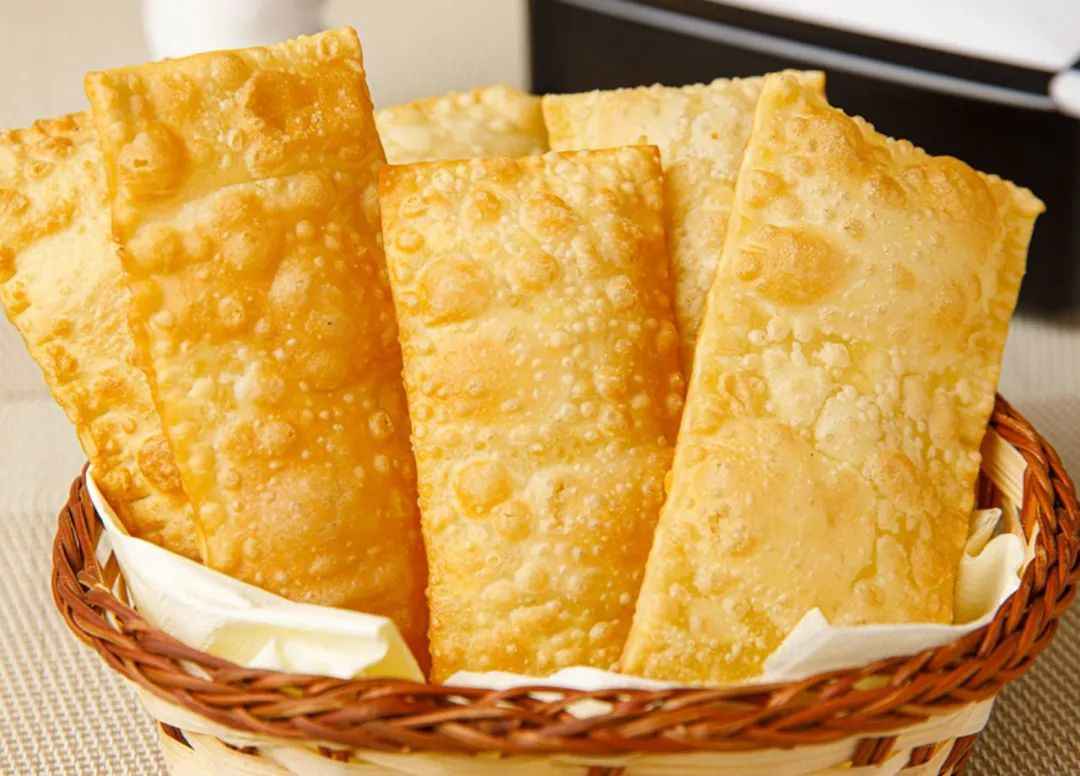
The Brazilian version of spring rolls and fried dumplings
Pastel is a kind of fried pie with a thin and crispy outer skin. The fillings are diverse, including savory options like beef, chicken, cheese, and shrimp, as well as sweet fillings such as bananas, chocolate, or jam. They come in different sizes, offering a wide range of choices. It tastes like an "enlarged potsticker." When paired with a glass of cold sugarcane juice, it is a must-have delicacy at the market.
04 Acarajé (Fried Bean Balls)

Source: Images from the Internet, if there is any infringement, please contact the removal of
Originating from the state of Bahia in northeastern Brazil, it is a street food deeply influenced by Africa (Nigeria).
It is made by grinding black-eyed peas into a paste and then frying it. The ball is split open and stuffed with a spicy filling made of shrimp, cashews, chili sauce, and palm oil. Taking a bite, you'll feel the African flavors and Brazilian enthusiasm bursting in your mouth!
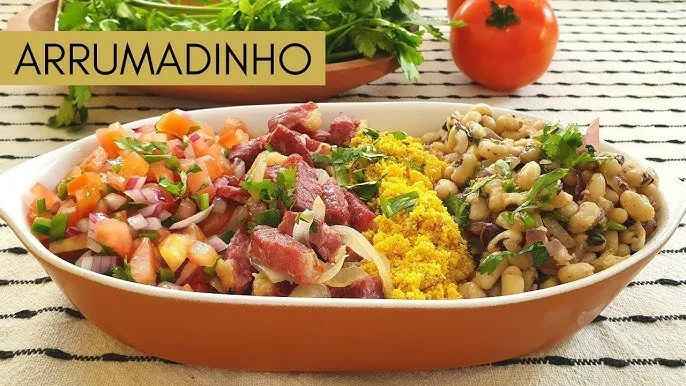
05 Arrumadinho (Neat Platter of Delights)
Source: Images from the Internet, if there is any infringement, please contact the removal of
This name, which sounds a bit like a high-end dish, is actually a common platter snack in the northeast. It consists of four things: sun-dried beef, mixed vegetables, beans, and toasted farofa, neatly arranged, resembling an "Eastern-style bento."
The name "arrumadinho" means "neatly arranged." You can either mix all the ingredients together or savor them one by one. It is usually paired with beer or the cocktail Caipirinha.
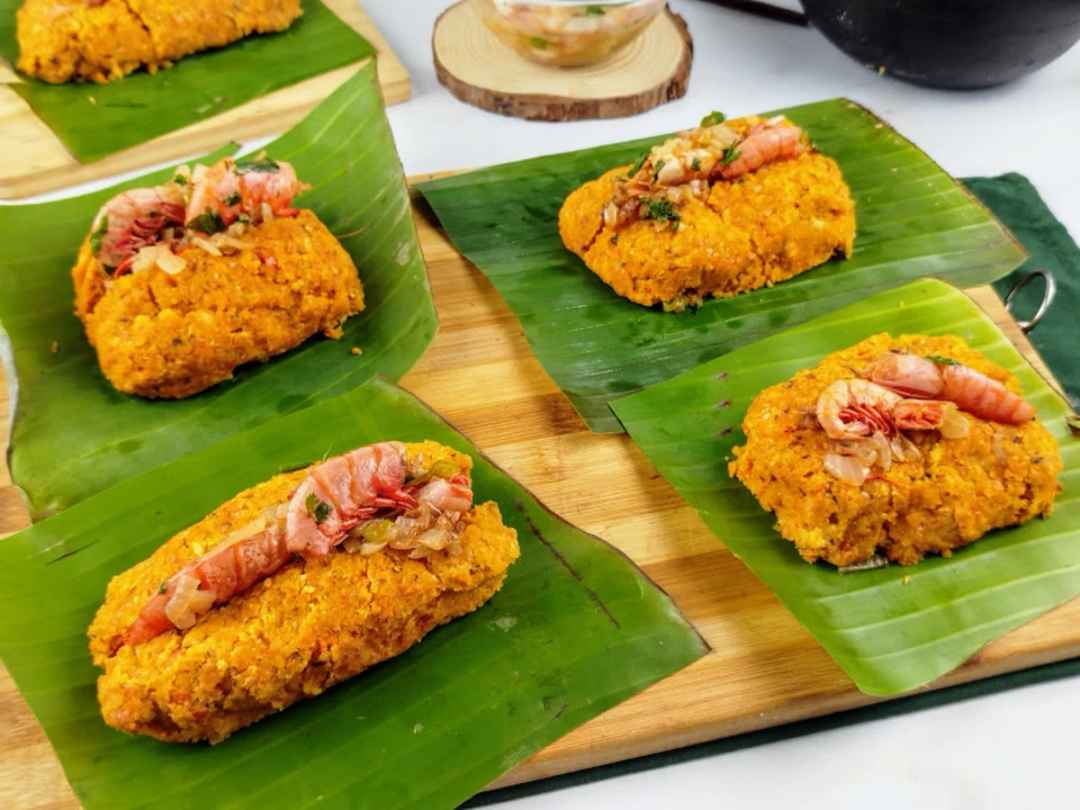
06 Abará (Steamed Bean Dumpling)
Source: Images from the Internet, if there is any infringement, please contact the removal of
Hailing from the state of Bahia in northeastern Brazil, it represents the taste of Afro-Brazilian culture. It is a sister dish to the Acarajé (fried bean cake) mentioned earlier. The difference is that Acarajé is fried, while Abará is steamed, making it softer and healthier.
It has a deep connection with Candomblé, an Afro-Brazilian religion, and is often used as an offering in religious ceremonies. It is usually eaten at room temperature. Remember to add some chili sauce - this way of eating is not common in other parts of Brazil, but in Bahia, spiciness is the right flavor!
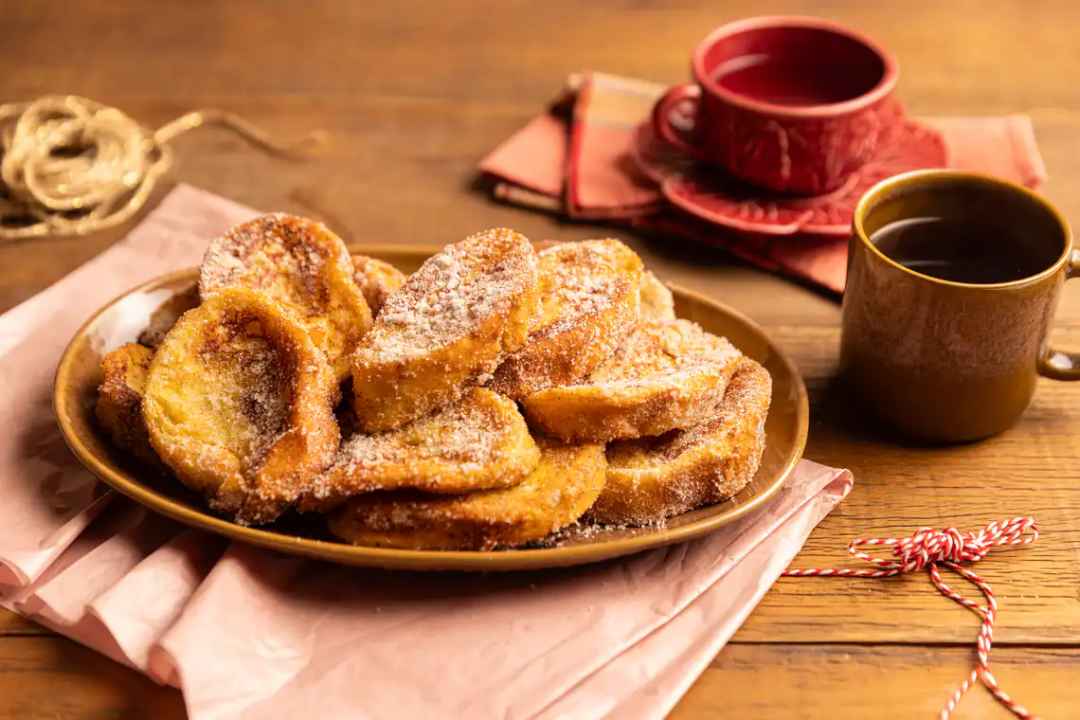
07 Rabanada (Brazilian French Toast)
Source: Images from the Internet, if there is any infringement, please contact the removal of
The Portuguese and Brazilian version of "French toast." It is made by slicing round or oval aged bread into thick slices, soaking them in milk (sometimes with sugar and vanilla added), coating them with egg mixture, and then frying them. Finally, it is sprinkled with cinnamon sugar. With a crunchy bite, it is sweet and crispy, satisfying your taste buds.
There is a recorded recipe for this dish dating back to the 17th century. In the early 20th century, this snack became particularly popular in the taverns of Madrid and was often enjoyed with wine. It is said that it was once used to nourish postpartum women (it is also called "fatia parida," which means "bread slice for the parturient"). Nowadays, this traditional dessert is especially popular during the Brazilian Christmas season.
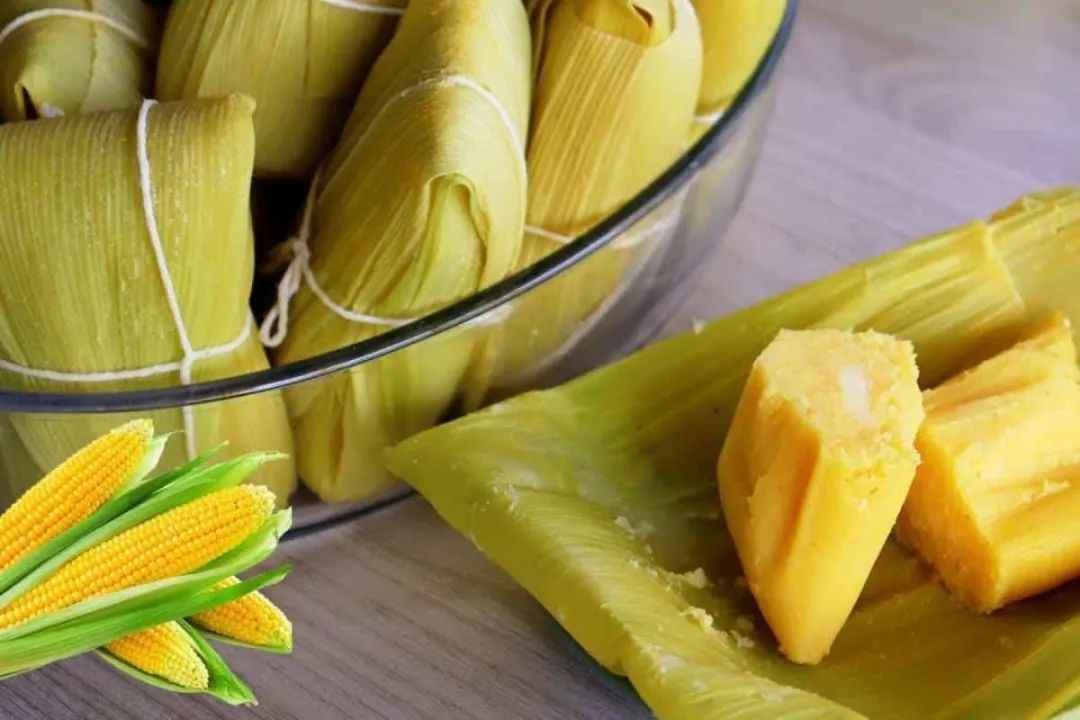
08 Pamonha (Brazilian Corn Dumpling)
Source: Images from the Internet, if there is any infringement, please contact the removal of
Don't be fooled by its appearance that resembles a traditional Chinese zongzi. It is a genuine "Brazilian corn pudding"! Pamonha is made from fresh corn pulp, wrapped in corn leaves and cooked. It is soft, glutinous, and sweet. There are sweet versions with coconut milk added and savory versions stuffed with sausage or cheese. Especially during the "June Festival" (also known as the Harvest Festival) in June every year, it creates a strong festive atmosphere, just like eating zongzi in China!
In Brazil, not only do many street vendors sell Pamonha, but it also appears on the family dining table and in traditional Brazilian restaurants, symbolizing Brazilians' love for the harvest and family reunions.
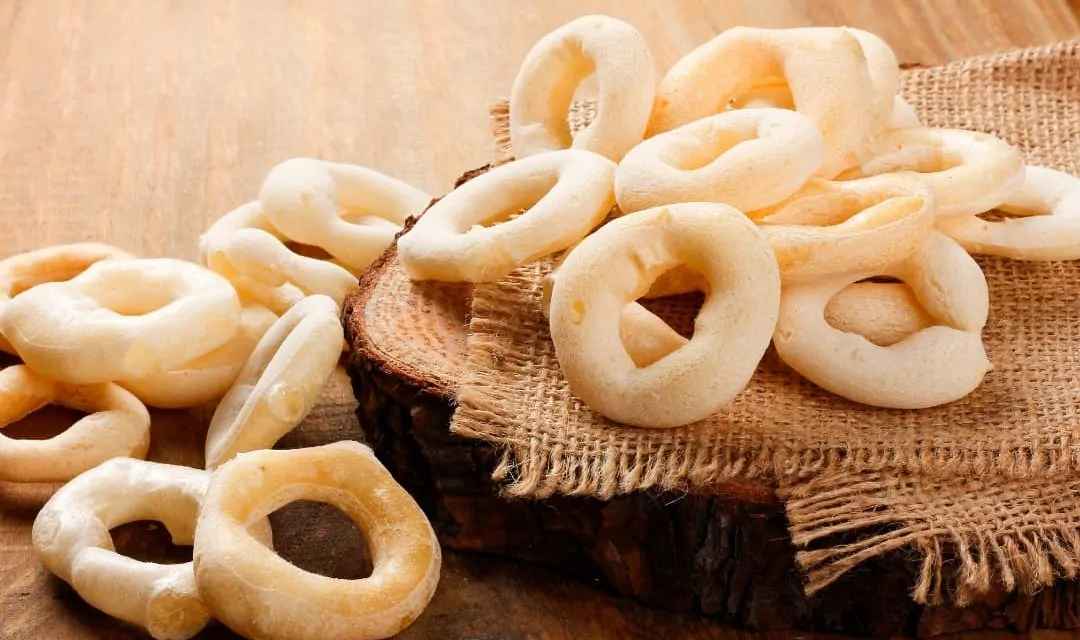
09 Biscoito de Polvilho (Cassava Cracker)
Source: Images from the Internet, if there is any infringement, please contact the removal of
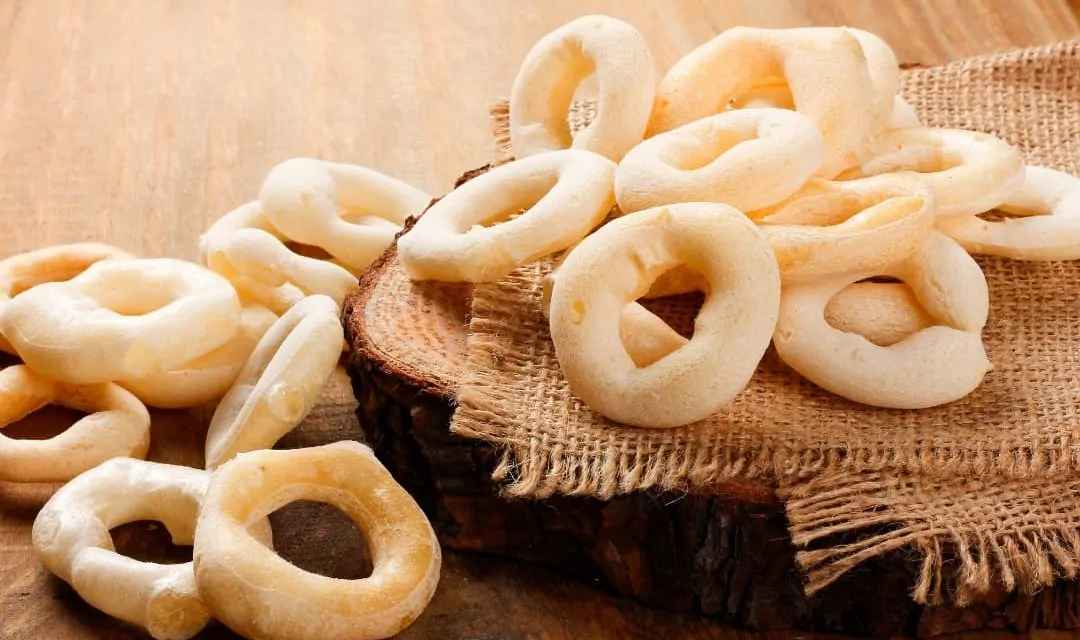
Does it feel like you're biting into thin air? That's right! This crispy ring is made from fermented cassava flour. It is crispy on the outside and hollow on the inside, extremely light. The name "polvilho" comes from the Latin word "pulvis," which means fine powder.
In the past, farmers ate it with cheese and coffee. Later, it became so popular that it can be found in beach stalls and supermarket shelves. It also has nicknames like "flying cracker," "wind cracker," and "Globo biscuit." It is a nostalgic snack that many Brazilians have grown up eating and is a national favorite.
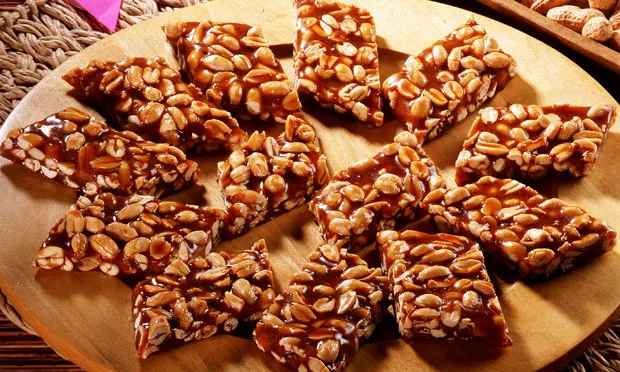
10 Pé-de-Moleque (Peanut Candy)
Source: Images from the Internet, if there is any infringement, please contact the removal of
The name Pé-de-Moleque means "naughty boy's foot." Despite its strange name, it tastes great! It is made by boiling peanuts and sugar into a sticky candy block, which is then broken into irregular small pieces after cooling. Taking a bite, it is fragrant, sweet, and crispy, with a long-lasting aftertaste. There are both soft and hard versions, and sometimes cream or other nuts are added.
There is no fixed recipe for it, just like its naughty name. It is a childhood snack for Brazilians and often appears in festivals and markets.
Conclusion:
Although barbecued meat holds an unshakable position in the hearts of Brazilians, the world of Brazilian snacks is equally rich and dazzling!
Although barbecued meat holds an unshakable position in the hearts of Brazilians, the world of Brazilian snacks is equally rich and dazzling!
In addition to the snacks mentioned in this article, there are also Bolinho de Bacalhau (codfish balls), Tapioca (cassava pancake), Empada (mini savory pie), Esfiha (Middle Eastern-style small pie), Kibe (fried beef and wheat ball), and many more, which are simply too numerous to count!
However, in Brazil, the taste of the same snack can vary greatly from one stall to another. So, don't give up easily just because you had a bad experience once, and don't assume that the first delicious version you try is the best.
The next time you're walking on the street, visiting a market, or passing by a bakery, feel free to pick a few snacks and give them a try. Maybe you'll find your new favorite!