Critically Endangered Brown Spider Monkeys: Vital Seed Dispersers in South American Rainforests


Animal Information
Critically Endangered Brown Spider Monkeys: Vital Seed Dispersers in South American Rainforests

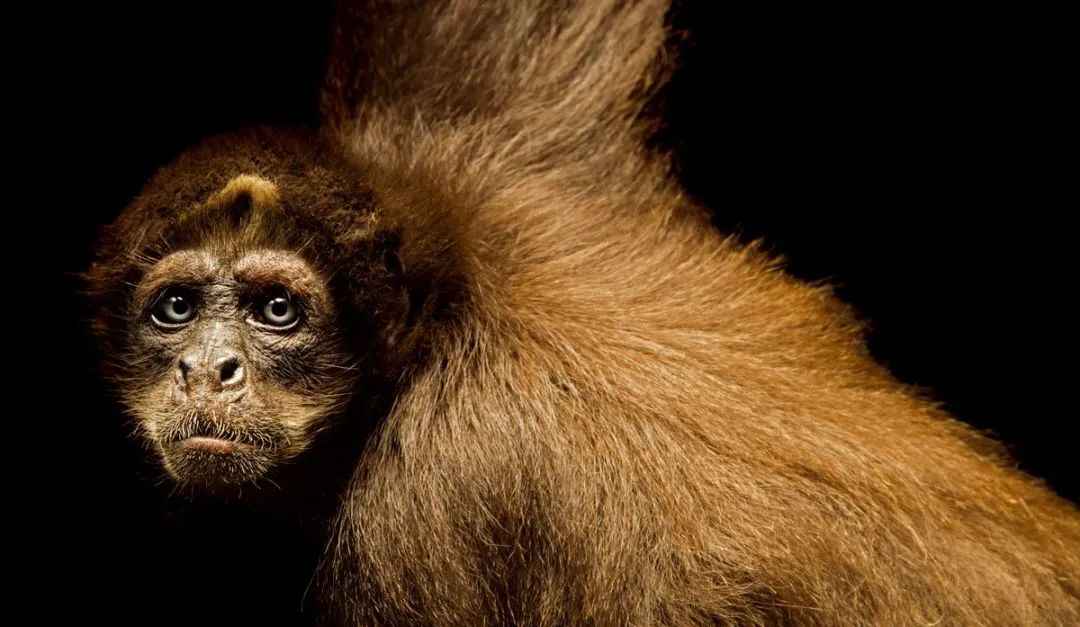
Deep within the pristine rainforests of South America, a silent ecological crisis looms for one of the continent’s most imperiled primates: the brown spider monkey (Ateles hybridus). Classified as "Critically Endangered" by the International Union for Conservation of Nature (IUCN), this species plays an irreplaceable role in sustaining the health of its habitat—serving as a linchpin for seed dispersal that supports hundreds of plant species.


Brown spider monkeys, known for their long limbs and agile arboreal lifestyle, traverse vast swaths of the forest canopy in search of fruit, their primary food source. As they feed, they consume seeds from a diverse array of plants, which later pass through their digestive systems and are excreted across wide areas. This natural process is far from trivial: scientists have identified at least 148 species of trees, shrubs, and flowering plants that rely almost entirely on these primates to disperse their seeds, ensuring the plants’ reproduction and the forest’s regeneration.


The significance of this relationship extends beyond individual species. The seeds dispersed by Ateles hybridus contribute to the structural diversity of the rainforest, supporting countless other organisms—from insects to birds—and maintaining the ecosystem’s resilience. Without these monkeys, many plant species would struggle to colonize new areas, potentially leading to reduced biodiversity, disrupted food webs, and weakened forest health over time.


Yet, the future of brown spider monkeys grows increasingly precarious. Habitat loss due to deforestation, illegal hunting, and fragmentation of their forest homes have driven their populations to the brink. Conservationists warn that losing this species could trigger a cascading effect, imperiling not just the 148 dependent plant species but the entire ecological balance of South America’s ancient rainforests.


As efforts to protect Ateles hybridus intensify, researchers stress that safeguarding these primates is not merely an act of species preservation—it is a critical step in preserving the very fabric of one of Earth’s most biodiverse ecosystems.

Latest Stories
Entertainment News1 minute readAnya Taylor-Joy, born April 16, 1996, in Miami, Florida, holds U.S., British, and Argentine citizenship—a global background that mirrors her ability to inhabit diverse roles across film and television.
Animal Information1 minute readThe Atossa fritillary (Speyeria adiaste atossa), a butterfly once common in Southern California’s mountain regions, is feared extinct, with no confirmed sightings since 1959. Characterized by its broad wings decorated with elegant black spots, the species once thrived across the area’s rugged landscapes.
Entertainment News1 minute readMargot Robbie, the Australian actress, ranked 7th in FHM’s 2015 “World’s Sexiest Women” list, a testament to her striking allure that complements her dynamic career.
Sports News1 minute readWith the 2026 Milano Cortina Winter Olympics approaching, full schedules for Winter Sports World Cups and qualifying events are now available. The newly updated Sports Observer calendar includes 699 exclusive events for 2025 and 2026, plus select major competitions through 2034, serving as a key resource for athletes and fans.
Animal Information1 minute readRed foxes, scientifically known as Vulpes vulpes, are among the most widespread and adaptable carnivores on Earth, thriving across diverse habitats from the frozen tundras of the Arctic to the bustling outskirts of urban centers. Their iconic rusty-red coat, white underbelly, and bushy tail—often tipped with white—make them easily distinguishable, while their pointed ears and sharp snouts reflect their keen senses, critical for survival.
Sports News2 minute readThe International Olympic Committee (IOC) has announced the selection of seven research projects for the 11th edition of the Advanced Olympic Research Grant Programme, which is managed by the IOC’s Olympic Studies Centre (OSC). The chosen projects were selected for their academic quality and relevance to the IOC’s defined priority research areas for the Olympic Movement.
Social News1 minute readMyanmar, in Southeast Asia, evokes images of illicit activities like fraud and organ trafficking for many. Yet behind this grim reputation lies a land of immense potential: 680,000 square kilometers of diverse terrain—mountains, plateaus, and river deltas—fringed by 3,200 km of coastline, with the famed Golden Triangle within its borders.