Saiga Antelopes Face Extinction as Male Poaching Disrupts Herd Gender Balance


Animal Information
Saiga Antelopes Face Extinction as Male Poaching Disrupts Herd Gender Balance

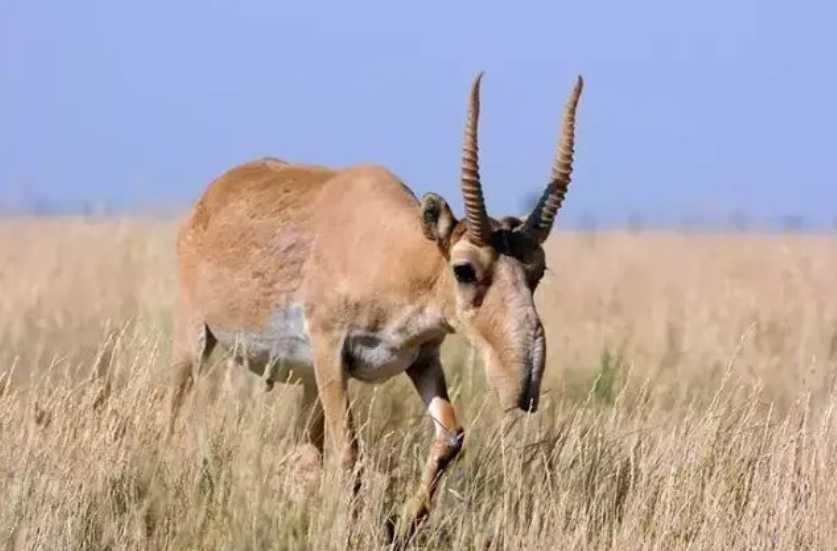
Native to the grasslands of Eurasia, the saiga antelope (Saiga tatarica) teeters on the brink of extinction, its population devastated by a critical gender imbalance—driven by decades of rampant poaching of adult males. Once numbering in the millions, these iconic ungulates now struggle to reproduce as male herds are decimated, leaving female-dominated populations unable to sustain genetic diversity.

The Lethal Demand for Male Horns
Male saigas are targeted for their curved, ribbed horns, mistakenly believed in some traditional medicines to possess curative properties. Poachers often leave female and juvenile antelopes unharmed, creating herds where females outnumber males by up to 10:1. This skewed ratio disrupts natural mating patterns, reducing fertility and exposing the species to inbreeding depression. In Kazakhstan’s Ural-Tobol region, surveys show male saigas now comprise less than 5% of adult populations, a stark contrast to the historical 30–40% ratio.


Collapsing Populations and Conservation Desperation
From 1990 to 2015, the global saiga population plummeted from 1.2 million to just 50,000, with poaching accounting for 90% of deaths. Climate change and disease outbreaks have compounded the crisis, but gender imbalance remains the gravest threat. Conservation groups like the Saiga Conservation Alliance are racing to implement anti-poaching patrols, community education programs, and captive breeding initiatives. The species is now listed as Critically Endangered by the IUCN, with international efforts under way to ban horn trade via CITES regulations.


As scientists warn that saigas could vanish within a decade, their plight highlights the domino effect of human exploitation: by targeting males for superficial gains, we risk erasing an evolutionary marvel that has roamed Eurasian steppes for millions of years. The race to restore gender balance in saiga herds is not just a fight for one species—but a test of humanity’s ability to reverse the consequences of its own destructive habits.

Latest Stories
Entertainment News1 minute readIndie favorite Kristen Stewart, known for collaborations with Kelly Reichardt and Olivier Assayas, steps behind the camera for The Chronology of Water, premiering in Un Certain Regard. Adapted from Lydia Yuknavitch’s memoir, the film has earned early acclaim.
Travel News2 minute readNestled in the Vosges Mountains of Haute-Saône, France, the Plateau des Mille Etangs (Thousand Ponds Plateau) is emerging as a top destination for discerning hikers. Shaped by glaciers and human history, this 220 km² region boasts a surreal landscape of lakes, forests, and peat bogs, earning it the nickname "Little Finland" .
Animal Information1 minute readThe four-eyed turtle (Sacalia quadriocellata), a rare freshwater reptile native to Southeast Asia, has captured global attention for its distinctive appearance and critical endangered status. Contrary to its common name, this small turtle—typically measuring under 20 centimeters in length—possesses only two functional eyes. Its moniker derives from four striking ocelli (eye-like spots) atop its head: two pairs of bright yellow markings ringed with dark pigment, resembling additional eyes and forming one of nature’s most intriguing examples of mimicry.
Animal Information1 minute readWELLINGTON, July 17 (Xinhua) -- The Okarito brown kiwi (Apteryx rowi), a flightless bird endemic to New Zealand, is teetering on the brink of a growing survival crisis. Classified as "Vulnerable" by the International Union for Conservation of Nature (IUCN), this unique species is grappling with relentless threats from invasive predators like stoats, which have wreaked havoc on their nests and chicks, putting the entire population at risk.
Sports News1 minute readThe International Council of Arbitration for Sport (ICAS) released its 2024 financial statements, clarifying a frequently asked question: How much of the Court of Arbitration for Sport (CAS) funding comes from the IOC? Total operating revenue reached 24.15 million Swiss francs (CHF) (1 CHF = 1.26 USD), with a clear breakdown of sources.
Sports News1 minute readThe Scalo Romana Olympic Village is set to welcome athletes for this winter’s games, having been completed in 900 days—one month ahead of schedule, according to Designboom. The milestone marks a key step in preparations for the Milano Cortina 2026 Winter Olympics.
Industry News1 minute readThe global toy market is poised for steady growth, projected to rise from $316.14 billion in 2024 to $445.97 billion by 2032, at a compound annual growth rate (CAGR) of 4.33%, according to latest insights.