Scarab Beetles (Scarabaeidae): Jewels of the Insect World


Insect Information
Scarab Beetles (Scarabaeidae): Jewels of the Insect World

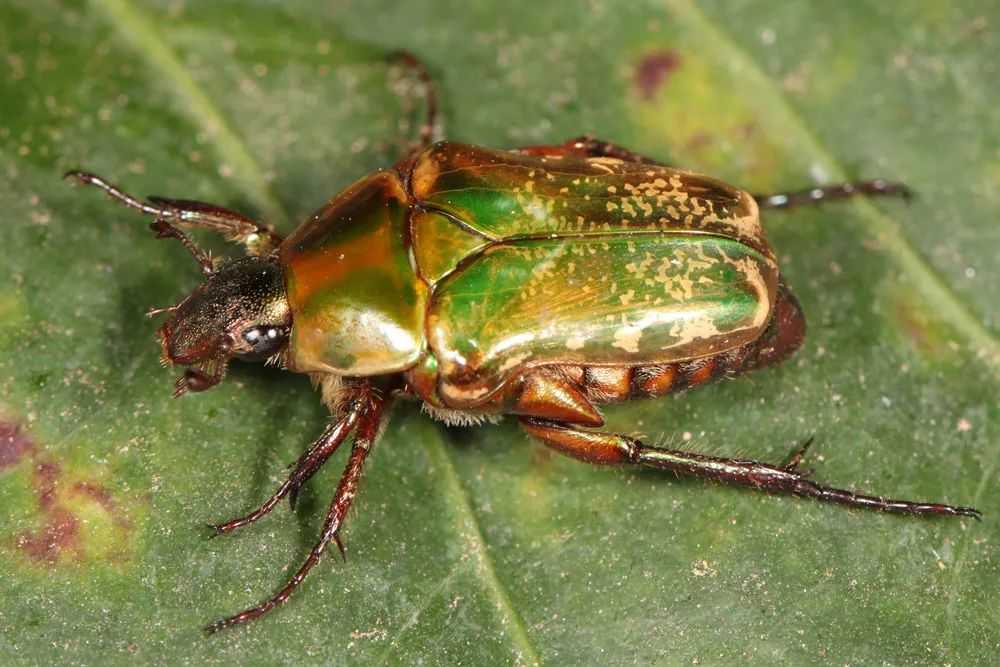
Scarab beetles, comprising the family Scarabaeidae, are a diverse group of coleopterans renowned for their often iridescent exoskeletons, distinctive morphology, and ecological significance. With over 30,000 species worldwide, they inhabit almost every terrestrial ecosystem, from deserts to rainforests.

Morphological Traits

  • Body Structure: Most scarabs have a robust, oval-shaped body with a domed pronotum and hardened elytra (wing covers). Sizes range from 1 mm to over 15 cm (e.g., Goliathus species).
  • Antennae: Unique "lamellate" antennae, ending in segmented, leaf-like plates that detect odors.
  • Sexual Dimorphism: Males often bear elaborate horns or projections on the head and thorax (e.g., rhinoceros beetles), used in mating competitions.

Life Cycle & Behavior

  1. Egg to Adult: Females lay eggs in soil, decaying organic matter, or animal dung. Larvae (grubs) are C-shaped, white, and inhabit soil or detritus, feeding on roots,or dung. They pupate in earthen cells before emerging as adults.
  2. Feeding Habits:
    • Dung Beetles: Specialized species (e.g., Scarabaeus) roll dung into balls for nesting and food, earning them the title "ecosystem engineers."
    • Leaf Chafers: Adults feed on leaves, flowers, or fruit (e.g., Japanese beetles, Popillia japonica), while larvae damage plant roots.
    • Stag Beetles: Some adults have enlarged mandibles but feed little; larvae decompose wood.
  3. Nocturnal & Diurnal Species: Many are active at night (e.g., June bugs), while others (e.g., flower chafers) fly during the day.

Ecological Roles

  • Decomposers: Dung beetles accelerate nutrient cycling by burying dung, reducing parasite populations and enriching soil.
  • Pollinators: Flower-visiting scarabs (e.g., Euphoria) aid plant reproduction, especially in tropical regions.
  • Food Source: Larvae and adults serve as prey for birds, mammals, and other insects.

Cultural & Economic Significance

  • Symbolism: In ancient Egypt, the dung beetle (Scarabaeus sacer) was a symbol of rebirth and the sun god Ra, with carved scarab amulets representing protection.
  • Pests & Benefits: Some species (e.g., white grubs) damage crops and lawns, while others (e.g., dung beetles) are used in biological control to manage livestock waste.
  • Biodiversity Indicators: Scarab diversity reflects ecosystem health, making them key species in environmental studies.
Latest Stories
Entertainment News1 minute readAnya Taylor-Joy, born April 16, 1996, in Miami, Florida, holds U.S., British, and Argentine citizenship—a global background that mirrors her ability to inhabit diverse roles across film and television.
Animal Information1 minute readThe Atossa fritillary (Speyeria adiaste atossa), a butterfly once common in Southern California’s mountain regions, is feared extinct, with no confirmed sightings since 1959. Characterized by its broad wings decorated with elegant black spots, the species once thrived across the area’s rugged landscapes.
Entertainment News1 minute readMargot Robbie, the Australian actress, ranked 7th in FHM’s 2015 “World’s Sexiest Women” list, a testament to her striking allure that complements her dynamic career.
Sports News1 minute readWith the 2026 Milano Cortina Winter Olympics approaching, full schedules for Winter Sports World Cups and qualifying events are now available. The newly updated Sports Observer calendar includes 699 exclusive events for 2025 and 2026, plus select major competitions through 2034, serving as a key resource for athletes and fans.
Animal Information1 minute readRed foxes, scientifically known as Vulpes vulpes, are among the most widespread and adaptable carnivores on Earth, thriving across diverse habitats from the frozen tundras of the Arctic to the bustling outskirts of urban centers. Their iconic rusty-red coat, white underbelly, and bushy tail—often tipped with white—make them easily distinguishable, while their pointed ears and sharp snouts reflect their keen senses, critical for survival.
Sports News2 minute readThe International Olympic Committee (IOC) has announced the selection of seven research projects for the 11th edition of the Advanced Olympic Research Grant Programme, which is managed by the IOC’s Olympic Studies Centre (OSC). The chosen projects were selected for their academic quality and relevance to the IOC’s defined priority research areas for the Olympic Movement.
Social News1 minute readMyanmar, in Southeast Asia, evokes images of illicit activities like fraud and organ trafficking for many. Yet behind this grim reputation lies a land of immense potential: 680,000 square kilometers of diverse terrain—mountains, plateaus, and river deltas—fringed by 3,200 km of coastline, with the famed Golden Triangle within its borders.