The Mysterious Disappearance of the Nine-Spotted Ladybug


Insect Information
The Mysterious Disappearance of the Nine-Spotted Ladybug

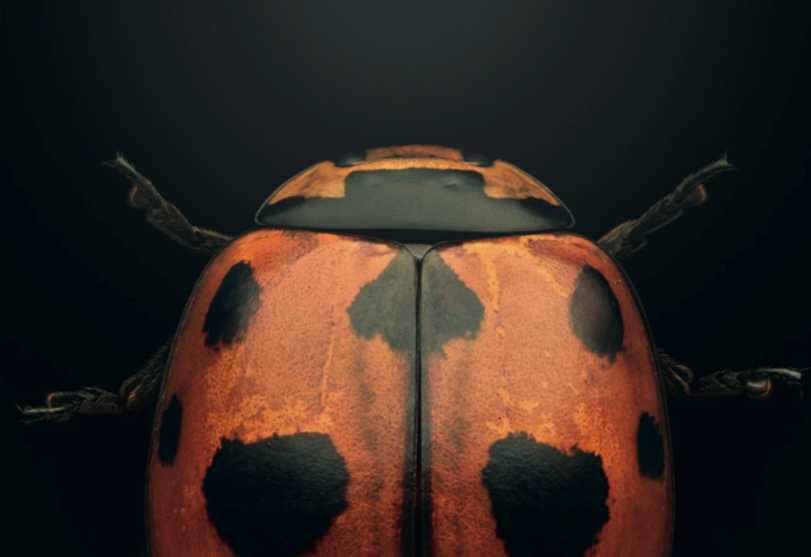
The nine-spotted ladybug, Coccinella novemnotata, once held a place of prominence across North America. In the United States, it was even designated as the official insect of New York State, symbolizing its significance. This species was once widespread throughout the US and Canada, playing a crucial role in the agricultural ecosystem. Famously, it was a voracious predator of aphids and other pest insects, acting as a natural form of pest control and helping farmers safeguard their crops without the heavy use of pesticides.

 
However, starting from the 1980s, a dramatic and largely unexplained decline in the population of the nine-spotted ladybug occurred. Multiple species of ladybugs faced similar fates during this time, but the disappearance of the nine-spotted ladybug has been particularly pronounced. Despite its once-ubiquitous presence, in the eastern parts of North America, this species has been absent for over a decade. The last confirmed sightings in this region date back many years, with no signs of recovery since then.

Scientists have been scrambling to understand the reasons behind this sudden and severe decline. Some theories suggest that competition with invasive ladybug species, such as the Asian multicolored lady beetle, could be a factor. These invaders might outcompete the native nine-spotted ladybug for food and resources. Habitat loss due to urban expansion and changes in agricultural practices, including increased pesticide use, could also be contributing to their decline. Additionally, climate change may be altering the environmental conditions that the nine-spotted ladybug depends on for survival and reproduction. As researchers continue to investigate, the case of the nine-spotted ladybug serves as a cautionary tale about the delicate balance of our ecosystems and the importance of protecting native species.
 
 
Latest Stories
Entertainment News1 minute readAnya Taylor-Joy, born April 16, 1996, in Miami, Florida, holds U.S., British, and Argentine citizenship—a global background that mirrors her ability to inhabit diverse roles across film and television.
Animal Information1 minute readThe Atossa fritillary (Speyeria adiaste atossa), a butterfly once common in Southern California’s mountain regions, is feared extinct, with no confirmed sightings since 1959. Characterized by its broad wings decorated with elegant black spots, the species once thrived across the area’s rugged landscapes.
Entertainment News1 minute readMargot Robbie, the Australian actress, ranked 7th in FHM’s 2015 “World’s Sexiest Women” list, a testament to her striking allure that complements her dynamic career.
Sports News1 minute readWith the 2026 Milano Cortina Winter Olympics approaching, full schedules for Winter Sports World Cups and qualifying events are now available. The newly updated Sports Observer calendar includes 699 exclusive events for 2025 and 2026, plus select major competitions through 2034, serving as a key resource for athletes and fans.
Animal Information1 minute readRed foxes, scientifically known as Vulpes vulpes, are among the most widespread and adaptable carnivores on Earth, thriving across diverse habitats from the frozen tundras of the Arctic to the bustling outskirts of urban centers. Their iconic rusty-red coat, white underbelly, and bushy tail—often tipped with white—make them easily distinguishable, while their pointed ears and sharp snouts reflect their keen senses, critical for survival.
Sports News2 minute readThe International Olympic Committee (IOC) has announced the selection of seven research projects for the 11th edition of the Advanced Olympic Research Grant Programme, which is managed by the IOC’s Olympic Studies Centre (OSC). The chosen projects were selected for their academic quality and relevance to the IOC’s defined priority research areas for the Olympic Movement.
Social News1 minute readMyanmar, in Southeast Asia, evokes images of illicit activities like fraud and organ trafficking for many. Yet behind this grim reputation lies a land of immense potential: 680,000 square kilometers of diverse terrain—mountains, plateaus, and river deltas—fringed by 3,200 km of coastline, with the famed Golden Triangle within its borders.