The Pink River Dolphin: Amazon’s Enigmatic Pink Wonder Unique to River Ecosystems


Animal Information
The Pink River Dolphin: Amazon’s Enigmatic Pink Wonder Unique to River Ecosystems

In the murky waters of the Amazon and Orinoco river basins, a creature of mythical allure glides through the currents: the pink river dolphin (Inia geoffrensis), a unique species that has captivated indigenous tribes and scientists for centuries. Often called the "botos," these dolphins stand out not only for their striking pink hue but as one of the few freshwater dolphin species on Earth, evolving the perfect adaptation to thrive in the Amazon’s labyrinthine waterways.

A Blushing Giant of the River: Biology and Behavior

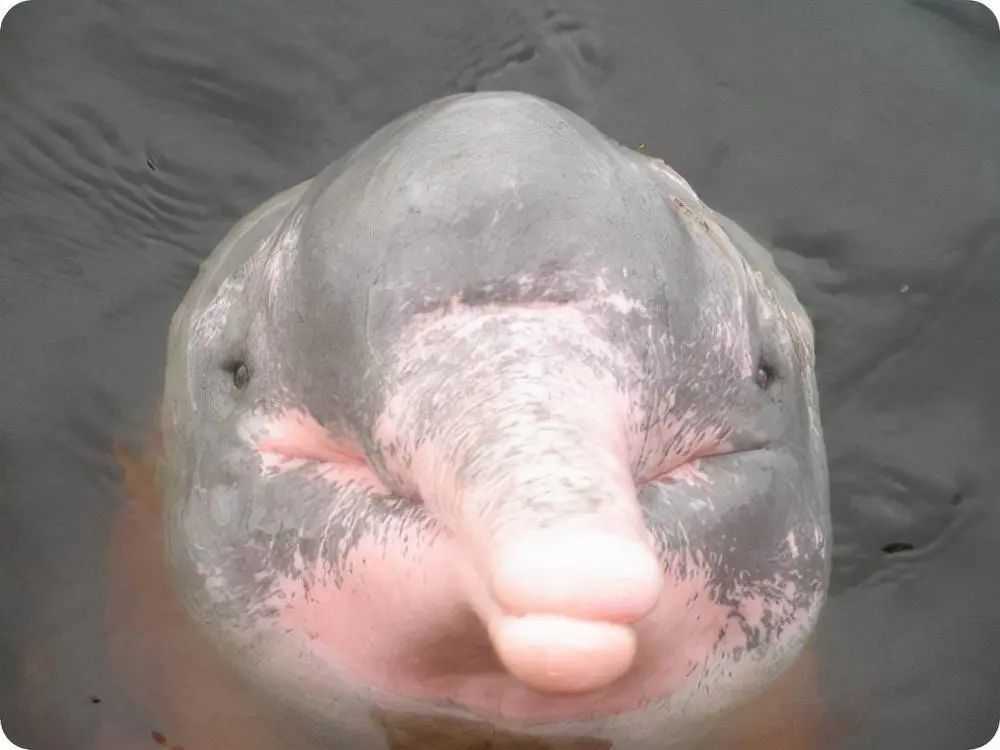
Adult pink river dolphins can reach up to 2.5 meters in length, with males typically sporting a deeper pink color that intensifies with age—a hue caused by capillaries near the skin’s surface and believed to signal dominance. Their flexible necks and large flippers allow them to navigate through flooded forests and narrow tributaries, while a bulbous forehead (melon) aids in echolocation. Unlike marine dolphins, they have a more elongated snout for catching catfish, piranhas, and crustaceans in the river’s turbid waters. At dawn and dusk, groups of botos can be seen leaping gracefully, their pink bodies contrasting against the green jungle backdrop—a spectacle that has inspired legends of shape-shifting "encantados" in local folklore.

Threats to a Unique Species and Conservation Efforts

Endemic to the Amazon, the pink river dolphin faces grave threats from habitat degradation, pollution, and accidental entanglement in fishing nets. Dams and hydroelectric projects fragment their habitat, while mercury used in gold mining poisons their food chain. Despite being protected by law in countries like Brazil and Peru, illegal hunting for bait or traditional medicine persists. Conservation organizations are working with local communities to promote sustainable fishing practices and raise awareness about the dolphin’s ecological role as a top predator. The species is listed as Vulnerable by the IUCN, with researchers emphasizing that preserving the botos means safeguarding the entire Amazon river ecosystem—one of the planet’s most biodiverse and fragile environments.


As the Amazon faces unprecedented deforestation and climate change, the pink river dolphin serves as a living emblem of the region’s natural wonders. Its unique pink form, evolved over millennia to conquer freshwater challenges, reminds the world that the Amazon’s rivers hold secrets as vibrant as they are vulnerable. To lose the botos would be to erase not just a species, but a symbol of the Amazon’s ability to nurture life in the most extraordinary and unexpected forms.

Latest Stories
Entertainment News1 minute readJenna Marie Ortega, born September 27, 2002, in Coachella Valley, California, has emerged as one of Hollywood’s most dynamic young talents. The Latina actress, known for her sharp performances and unapologetic authenticity, continues to redefine teen stardom.
Animal Information1 minute readReporting from Beijing — In 2016, the global scientific community mourned the passing of Xiaoyinghan (Little Tough Guy), the last known Panamanian tree frog (scientific name: Ecnomiohyla panamensis), which breathed its last in an artificial breeding tank at the Atlanta Botanical Garden. The death of this 12-year-old male frog officially marked the complete extinction of the species from Earth.
Sports News1 minute readThe European Court of Human Rights (ECHR) Grand Chamber ruled Thursday that the Court of Arbitration for Sport (CAS) claimed a significant victory, while South African double Olympic 800m champion Caster Semenya achieved a minor win in her long-running legal battle. The "Semenya v Switzerland" case centers on Semenya’s challenge to World Athletics’ rules on athletes with Differences of Sexual Development (DSD).
Sports News1 minute readFINA’s integrity unit revealed this week that Chinese and Russian athletes at the Singapore World Swimming Championships are undergoing at least twice as many anti-doping tests as competitors from other nations. Data shows Chinese swimmers average 8.80 tests per athlete, with Russians at 8.20—far exceeding the U.S. (4.13), Australia (4.00), and Britain (2.20).
Cultural News2 minute readOn July 12, the UNESCO World Heritage Committee officially inscribed four iconic palaces built by Bavaria’s King Ludwig II onto the prestigious World Heritage List. The ensemble includes Neuschwanstein Castle, Herrenchiemsee Palace, Linderhof Palace, and the Schachen Royal Lodge, celebrated for their visionary architecture and cultural significance. Maria Böhmer, President of Germany’s UNESCO Commission, hailed them as “architectural masterpieces that reflect both the artistic imagination of the Fairy-Tale King and his unconventional genius”
Sports News1 minute readThe Icelandic National Olympic Committee (NOC) has announced a €128,000 funding package to cover costs for 285 young athletes representing national teams between January and March. The initiative is part of a broader high-performance sports program approved in late 2023, aiming to boost youth athlete development.
Travel News2 minute readNestled in the sun-drenched Provence region of France, Arles is a 2,100-year-old city where Roman heritage and Van Gogh’s artistic legacy converge. Designated a UNESCO World Heritage Site, it boasts impeccably preserved Roman amphitheaters, theaters, and the Basilica of Saint-Trophime, alongside over 300 masterpieces created by Vincent van Gogh during his transformative stay.