Yemen, a country with a rich historical and cultural heritage, has several cultural expressions inscribed on UNESCO's Representative List of the Intangible Cultural Heritage of Humanity. These heritages not only reflect Yemen's unique cultural identity but also contribute to the global diversity of intangible cultural heritage.
1. Song of Sana’a - Inscribed on the Representative List in 2008
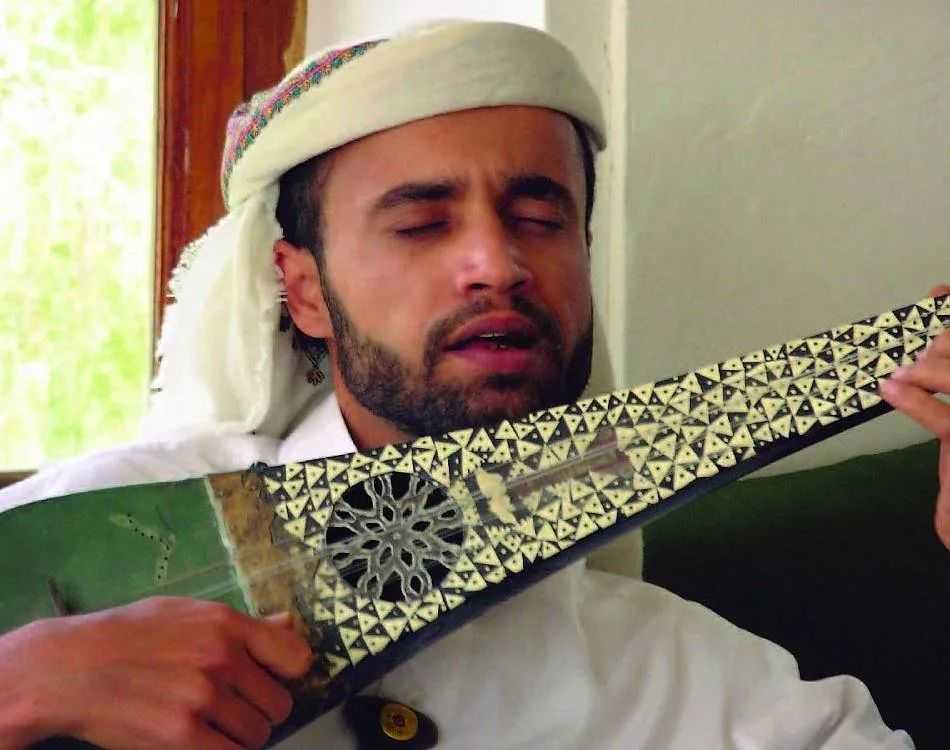
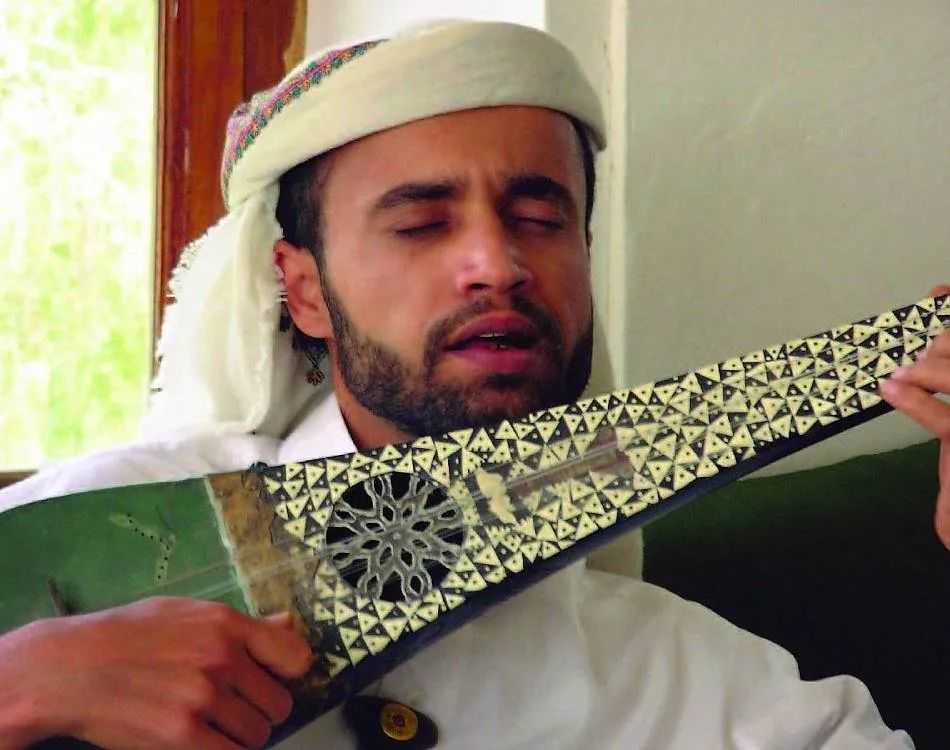
The Song of Sana’a, also known as al-Ghina al-San’ani, refers to a category of songs within the rich musical traditions passed down across Yemen. This genre has its roots in various poetic traditions dating back to the 14th century and forms an integral part of social activities, such as the Samra wedding evenings and the Maghiyar gatherings, which are daily afternoon get-togethers of friends and colleagues.
These songs are performed by a solo singer accompanied by two ancient musical instruments: the qanbus (Yemeni lute) and the sahn nuhasi (a copper plate). The performer balances the copper plate on their thumb and gently strikes it with their other eight fingers. There are numerous types of melodies. It is rare to change from one key to another during a single performance, but the artistry of a performer is judged by their ability to embellish the melody, highlighting the meaning of the lyrics and touching the audience.
The lyrics, written in Yemeni dialect and classical Arabic, are full of wordplay and renowned for their emotional content. The lyrics of these songs constitute some of the most respected and frequently quoted poetry in Yemen. Although these songs are directly associated with Sana’a, the historical capital of Yemen, they can be heard in many towns and rural areas across the country. In fact, the repertoire of the songs often incorporates dialects from different regions of the country. Additionally, traditional melodies are frequently borrowed by performers of other genres, including rural dances and contemporary music.
Despite Yemenis still taking pride in the tradition of the "Song of Sana’a," the number of participants has been steadily declining. Today's musicians, although increasing in number, only know a few of the old songs, which they intersperse in their performances before switching to more lighthearted contemporary repertoires. Only a few senior musicians retain the breadth of the Song of Sana’a tradition and its subtle interpretations.
The Song of Sana’a, also known as al-Ghina al-San’ani, refers to a category of songs within the rich musical traditions passed down across Yemen. This genre has its roots in various poetic traditions dating back to the 14th century and forms an integral part of social activities, such as the Samra wedding evenings and the Maghiyar gatherings, which are daily afternoon get-togethers of friends and colleagues.
These songs are performed by a solo singer accompanied by two ancient musical instruments: the qanbus (Yemeni lute) and the sahn nuhasi (a copper plate). The performer balances the copper plate on their thumb and gently strikes it with their other eight fingers. There are numerous types of melodies. It is rare to change from one key to another during a single performance, but the artistry of a performer is judged by their ability to embellish the melody, highlighting the meaning of the lyrics and touching the audience.
The lyrics, written in Yemeni dialect and classical Arabic, are full of wordplay and renowned for their emotional content. The lyrics of these songs constitute some of the most respected and frequently quoted poetry in Yemen. Although these songs are directly associated with Sana’a, the historical capital of Yemen, they can be heard in many towns and rural areas across the country. In fact, the repertoire of the songs often incorporates dialects from different regions of the country. Additionally, traditional melodies are frequently borrowed by performers of other genres, including rural dances and contemporary music.
Despite Yemenis still taking pride in the tradition of the "Song of Sana’a," the number of participants has been steadily declining. Today's musicians, although increasing in number, only know a few of the old songs, which they intersperse in their performances before switching to more lighthearted contemporary repertoires. Only a few senior musicians retain the breadth of the Song of Sana’a tradition and its subtle interpretations.
Source: Images from the Internet, if there is any infringement, please contact the removal of
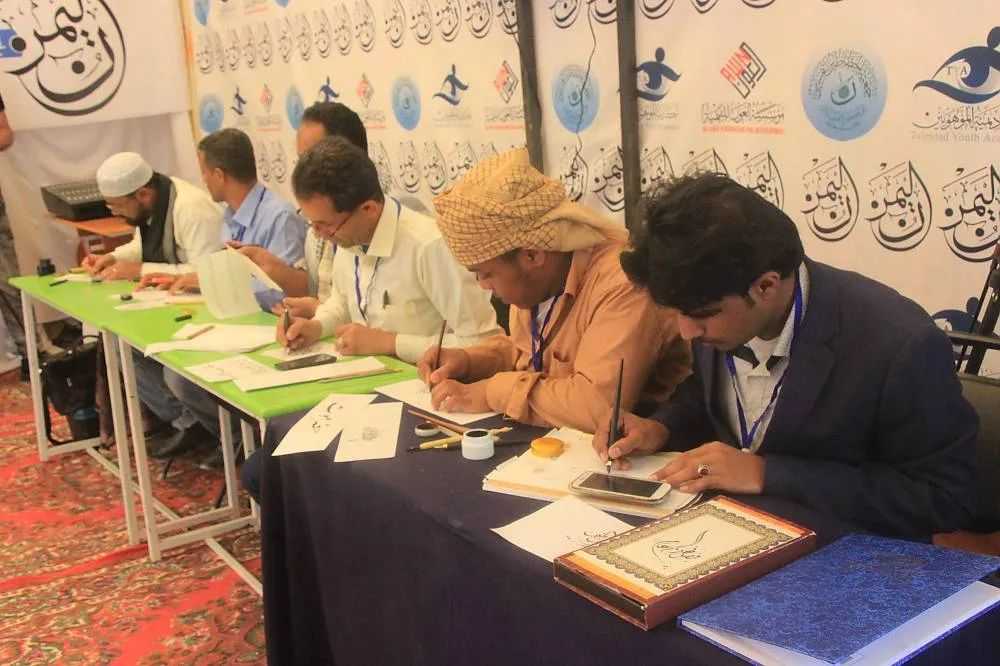
2. Arabic calligraphy: knowledge, skills and practices (Joint submission with Saudi Arabia, Algeria, Bahrain, Egypt, Iraq, Jordan, Kuwait, Lebanon, Mauritania, Morocco, Oman, Palestine, Sudan, Tunisia, the UAE) - Inscribed on the Representative List in 2021
Source: Images from the Internet, if there is any infringement, please contact the removal of
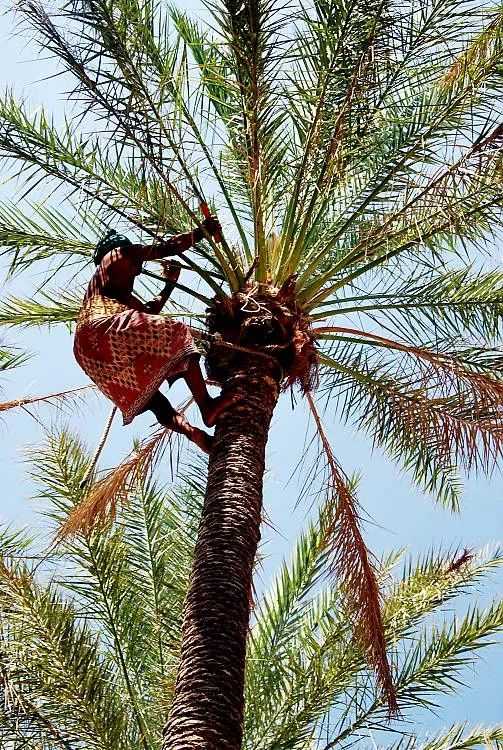
3. Date palm, knowledge, skills, traditions and practices (Joint submission with the UAE, Bahrain, Egypt, Iraq, Jordan, Kuwait, Mauritania, Morocco, Oman, Palestine, Qatar, Saudi Arabia, Sudan, Tunisia) - Inscribed on the Representative List in 2022
Source: Images from the Internet, if there is any infringement, please contact the removal of
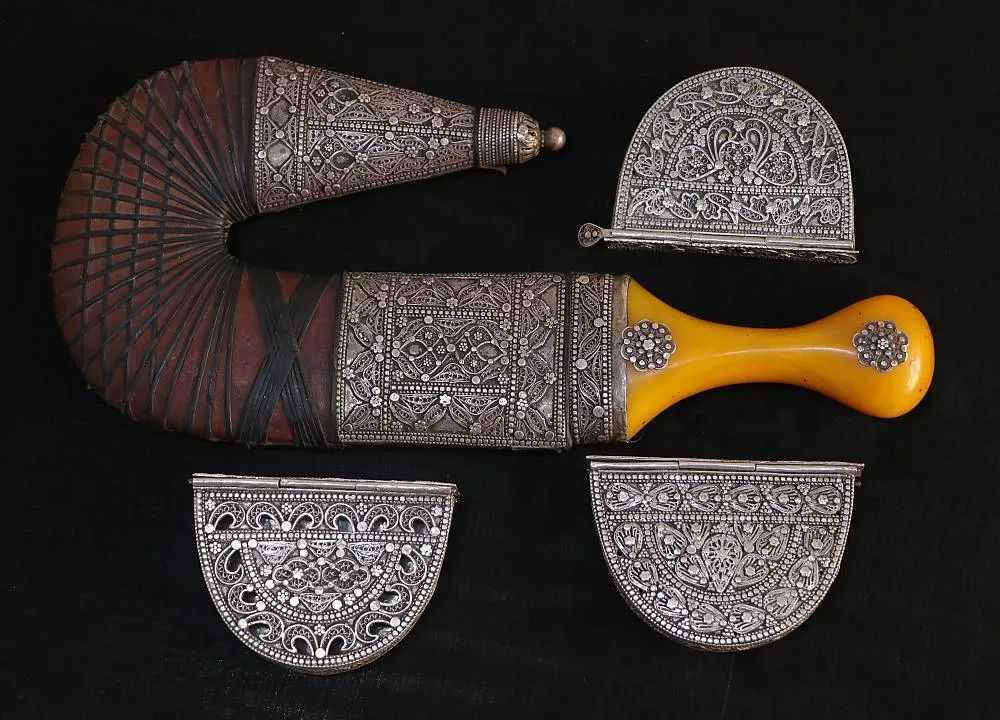
4. Arts, skills and practices associated with engraving on metals (gold, silver and copper) (Joint submission with Iraq, Algeria, Egypt, Mauritania, Morocco, Palestine, Saudi Arabia, Sudan, Tunisia) - Inscribed on the Representative List in 2023
Engraving on metals such as gold, silver, and copper is a centuries-old craft that involves manually carving characters, symbols, or patterns onto the surfaces of decorative, practical, religious, or ritual objects. Craftsmen use various tools to hand-carve symbols, names, verses from the Quran, prayers, and geometric patterns onto the items.
The engraving can be intaglio (sunken) or relief (raised), and it can also be the result of combining different types of metals, such as gold and silver. Their social and symbolic meanings, as well as their functions, vary from one community to another. Engraved items, such as jewelry or household items, are often given as traditional wedding gifts or used in religious ceremonies and alternative medicine. For example, certain types of metals are believed to have therapeutic properties.
Engraving on metals is transmitted within families through observation and hands-on practice. It can also be spread through workshops organized by training centers, organizations, and universities. Publications, cultural events, and social media further promote the dissemination of the relevant knowledge and skills. People of all ages and genders can engage in metal engraving and use engraved items, which serve as a means of expressing the cultural, religious, and geographical characteristics, as well as the socioeconomic status, of the related communities.
Engraving on metals such as gold, silver, and copper is a centuries-old craft that involves manually carving characters, symbols, or patterns onto the surfaces of decorative, practical, religious, or ritual objects. Craftsmen use various tools to hand-carve symbols, names, verses from the Quran, prayers, and geometric patterns onto the items.
The engraving can be intaglio (sunken) or relief (raised), and it can also be the result of combining different types of metals, such as gold and silver. Their social and symbolic meanings, as well as their functions, vary from one community to another. Engraved items, such as jewelry or household items, are often given as traditional wedding gifts or used in religious ceremonies and alternative medicine. For example, certain types of metals are believed to have therapeutic properties.
Engraving on metals is transmitted within families through observation and hands-on practice. It can also be spread through workshops organized by training centers, organizations, and universities. Publications, cultural events, and social media further promote the dissemination of the relevant knowledge and skills. People of all ages and genders can engage in metal engraving and use engraved items, which serve as a means of expressing the cultural, religious, and geographical characteristics, as well as the socioeconomic status, of the related communities.
Source: Images from the Internet, if there is any infringement, please contact the removal of
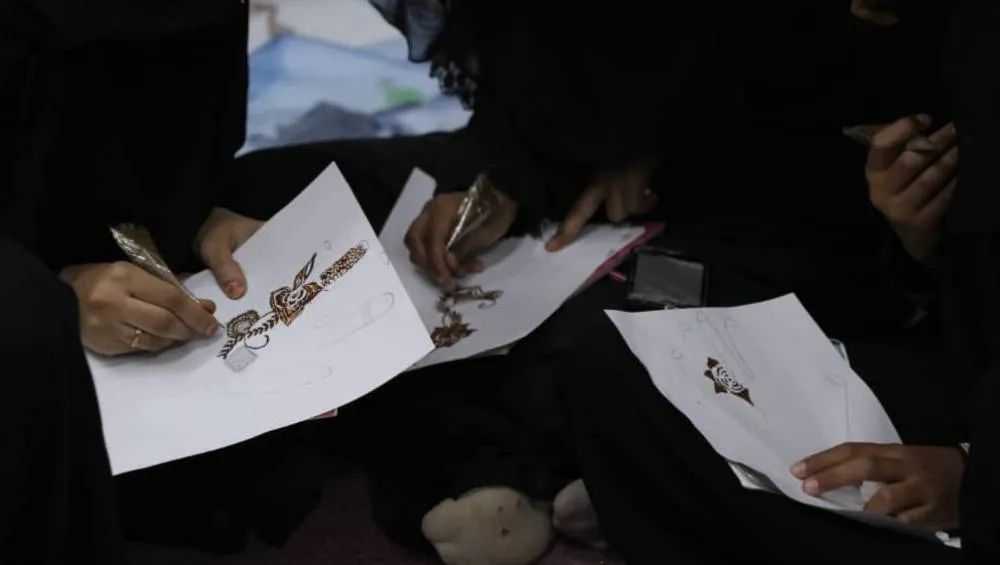
5. Henna: rituals, aesthetic and social practices (Joint submission with the UAE, Algeria, Bahrain, Egypt, Iraq, Jordan, Kuwait, Mauritania, Morocco, Oman, Palestine, Qatar, Saudi Arabia, Sudan, Tunisia) - Inscribed on the Representative List in 2024
The henna plant, also known as the (nail flower), is a deciduous tree that grows in hot regions. In North Africa and the Middle East, it is regarded as a sacred object. The leaves are harvested twice a year, dried, and then ground and processed into a paste. The specific ingredients and techniques for making the paste vary depending on the intended use and the country.
Henna paste is a commonly used ornament for women, such as for dyeing hair and fingertips, or for decorating the hands and feet. It is a symbol of joy and is used in both daily life and festive occasions, such as births and weddings. The branches, leaves, and paste of the henna plant are also used in handicrafts and for medicinal purposes, including treating certain skin diseases.
The use of henna is often accompanied by oral expressions, such as chants, songs, proverbs, and poetry, and is associated with centuries-old social rules and traditions. This includes knowledge related to the cultivation and care of the henna plant, as well as the preparation and application of the paste. Families and communities pass down the traditions through observation and practice.
Today, various organizations, beauty centers, universities, and the media also contribute to its dissemination. As an important part of traditional activities, henna rituals strengthen social connections and promote communication.
The henna plant, also known as the (nail flower), is a deciduous tree that grows in hot regions. In North Africa and the Middle East, it is regarded as a sacred object. The leaves are harvested twice a year, dried, and then ground and processed into a paste. The specific ingredients and techniques for making the paste vary depending on the intended use and the country.
Henna paste is a commonly used ornament for women, such as for dyeing hair and fingertips, or for decorating the hands and feet. It is a symbol of joy and is used in both daily life and festive occasions, such as births and weddings. The branches, leaves, and paste of the henna plant are also used in handicrafts and for medicinal purposes, including treating certain skin diseases.
The use of henna is often accompanied by oral expressions, such as chants, songs, proverbs, and poetry, and is associated with centuries-old social rules and traditions. This includes knowledge related to the cultivation and care of the henna plant, as well as the preparation and application of the paste. Families and communities pass down the traditions through observation and practice.
Today, various organizations, beauty centers, universities, and the media also contribute to its dissemination. As an important part of traditional activities, henna rituals strengthen social connections and promote communication.
Source: Images from the Internet, if there is any infringement, please contact the removal of