The Albino Lion: Rare Genetic Marvel and Cultural Icon of the Savanna


Animal Information
The Albino Lion: Rare Genetic Marvel and Cultural Icon of the Savanna

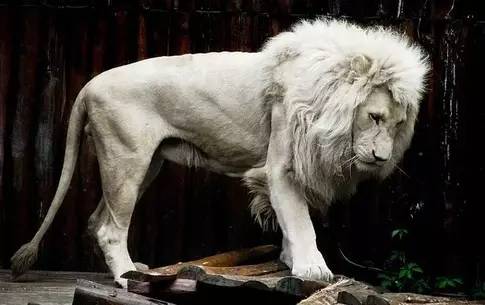
Albino lions, though often mistaken for white lions, are a distinct genetic rarity characterized by complete lack of melanin, resulting in pure white fur, pink skin, and pale blue or red eyes. Unlike white lions (which have a recessive color gene), albinism in lions is caused by a mutation in the TYR gene, inhibiting tyrosinase production—a enzyme crucial for pigment formation. These majestic creatures have captivated humanity for centuries, blending scientific curiosity with cultural mystique.

The Science Behind the Paleness: Genetic Anomalies

  • Pigmentation Breakdown
    Albino lions exhibit oculocutaneous albinism (OCA), a condition affecting both skin and eye pigment. Their white coat offers no camouflage, making hunting challenging, while light sensitivity (photophobia) from unpigmented eyes hinders vision in bright savanna sunlight. In the wild, albinism reduces survival rates, as cubs are more vulnerable to predators and struggle to hunt.
  • Physical Traits
    Aside from coloration, albino lions share typical lion anatomy: males grow up to 250 kg with a (white) mane, while females are smaller and maneless. Their rarity—estimated at 1 in 100,000 wild lions—makes them extremely scarce, with most sightings documented in southern Africa’s Kruger National Park and private reserves.

Cultural Significance and Conservation Realities

  • Myth vs. Reality
    In African folklore, albino lions are often seen as spiritual beings, symbols of luck or omens. The Tsonga people of South Africa refer to them as "ghost lions," believing they bridge the human and spirit worlds. However, this mystique has also fueled superstitions; in some regions, albino animals are hunted for use in traditional medicine, posing an additional threat.
  • Captive vs. Wild Survival
    Most albino lions today exist in captivity, where breeders sometimes exploit their rarity for tourism. Wild populations face dual risks: genetic inbreeding (as albinism requires two recessive genes) and habitat loss. Conservationists stress that while albino lions are fascinating, efforts must prioritize protecting overall lion populations, whose numbers have declined by 43% since 1993.


As living symbols of genetic wonder, albino lions highlight the fragility of nature’s diversity. Their existence challenges humanity to appreciate rarity not for exploitation, but as a reminder of the intricate web of life—where even the rarest mutations hold value in the grand tapestry of evolution.
Latest Stories
Entertainment News1 minute readAnya Taylor-Joy, born April 16, 1996, in Miami, Florida, holds U.S., British, and Argentine citizenship—a global background that mirrors her ability to inhabit diverse roles across film and television.
Animal Information1 minute readThe Atossa fritillary (Speyeria adiaste atossa), a butterfly once common in Southern California’s mountain regions, is feared extinct, with no confirmed sightings since 1959. Characterized by its broad wings decorated with elegant black spots, the species once thrived across the area’s rugged landscapes.
Entertainment News1 minute readMargot Robbie, the Australian actress, ranked 7th in FHM’s 2015 “World’s Sexiest Women” list, a testament to her striking allure that complements her dynamic career.
Sports News1 minute readWith the 2026 Milano Cortina Winter Olympics approaching, full schedules for Winter Sports World Cups and qualifying events are now available. The newly updated Sports Observer calendar includes 699 exclusive events for 2025 and 2026, plus select major competitions through 2034, serving as a key resource for athletes and fans.
Animal Information1 minute readRed foxes, scientifically known as Vulpes vulpes, are among the most widespread and adaptable carnivores on Earth, thriving across diverse habitats from the frozen tundras of the Arctic to the bustling outskirts of urban centers. Their iconic rusty-red coat, white underbelly, and bushy tail—often tipped with white—make them easily distinguishable, while their pointed ears and sharp snouts reflect their keen senses, critical for survival.
Sports News2 minute readThe International Olympic Committee (IOC) has announced the selection of seven research projects for the 11th edition of the Advanced Olympic Research Grant Programme, which is managed by the IOC’s Olympic Studies Centre (OSC). The chosen projects were selected for their academic quality and relevance to the IOC’s defined priority research areas for the Olympic Movement.
Social News1 minute readMyanmar, in Southeast Asia, evokes images of illicit activities like fraud and organ trafficking for many. Yet behind this grim reputation lies a land of immense potential: 680,000 square kilometers of diverse terrain—mountains, plateaus, and river deltas—fringed by 3,200 km of coastline, with the famed Golden Triangle within its borders.