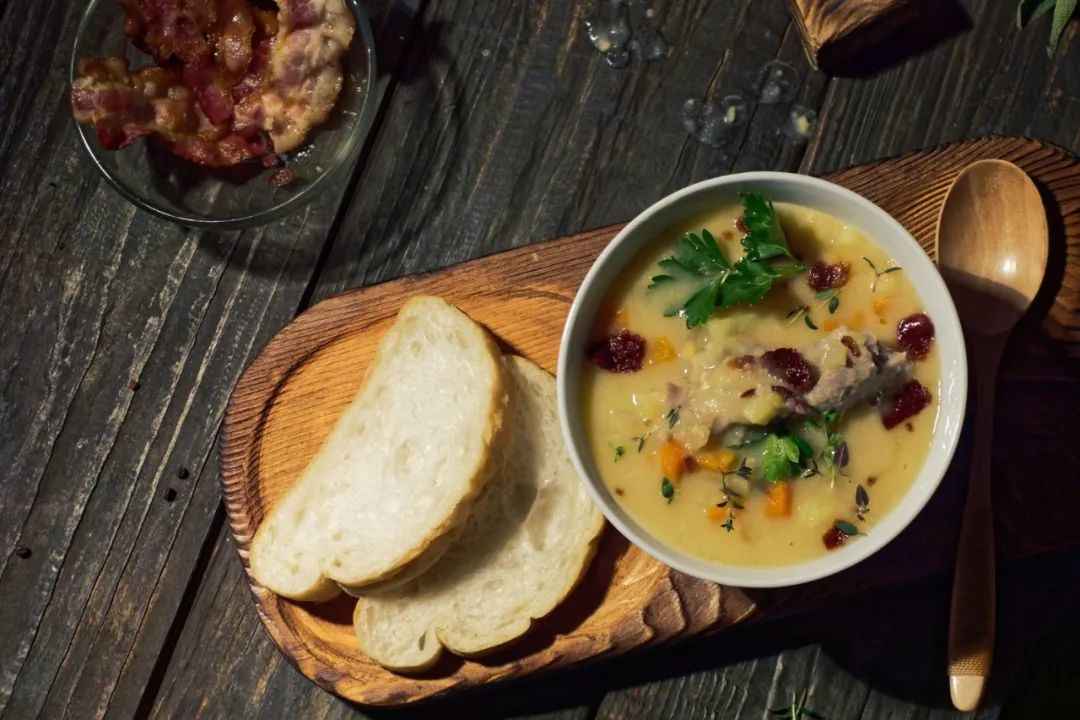
Germany's culinary heritage is rich with unique and flavorful dishes, but not all of them appeal to every palate. For many foreigners, especially those unaccustomed to certain ingredients or preparation methods, some traditional German foods can be a visual and cultural challenge. Here are three classic German dishes that often leave international visitors both curious and hesitant:
Source: Images from the Internet, if there is any infringement, please contact the removal of
Mett is a dish consisting of raw minced pork, typically spread on bread and seasoned with onions and spices, enjoyed as a breakfast or snack in Germany. While beloved by locals as a delicacy, its appearance often "deters" foreigners unaccustomed to eating raw meat.
Why It Sparks Dread: Concerns about food hygiene and the visual impact of pink raw meat make many foreigners hesitant, particularly tourists from Asia or the Americas.
Foreign Reactions: "Is this really safe to eat directly? Isn’t this just the minced meat raw material from the butcher shop?"

Source: Images from the Internet, if there is any infringement, please contact the removal of
Blutwurst is a black sausage made from pig’s blood, fat, and grains, typically fried or boiled and served with a soft, tender texture.
Why It Sparks Dread: The use of pig’s blood as a primary ingredient is psychologically challenging for many foreigners, especially in cultures where blood-based foods are stigmatized. Its dark appearance also contributes to its intimidating reputation.
Foreign Reactions: "This looks like a prop from a horror movie. Are we sure it’s edible?"
Source: Images from the Internet, if there is any infringement, please contact the removal of
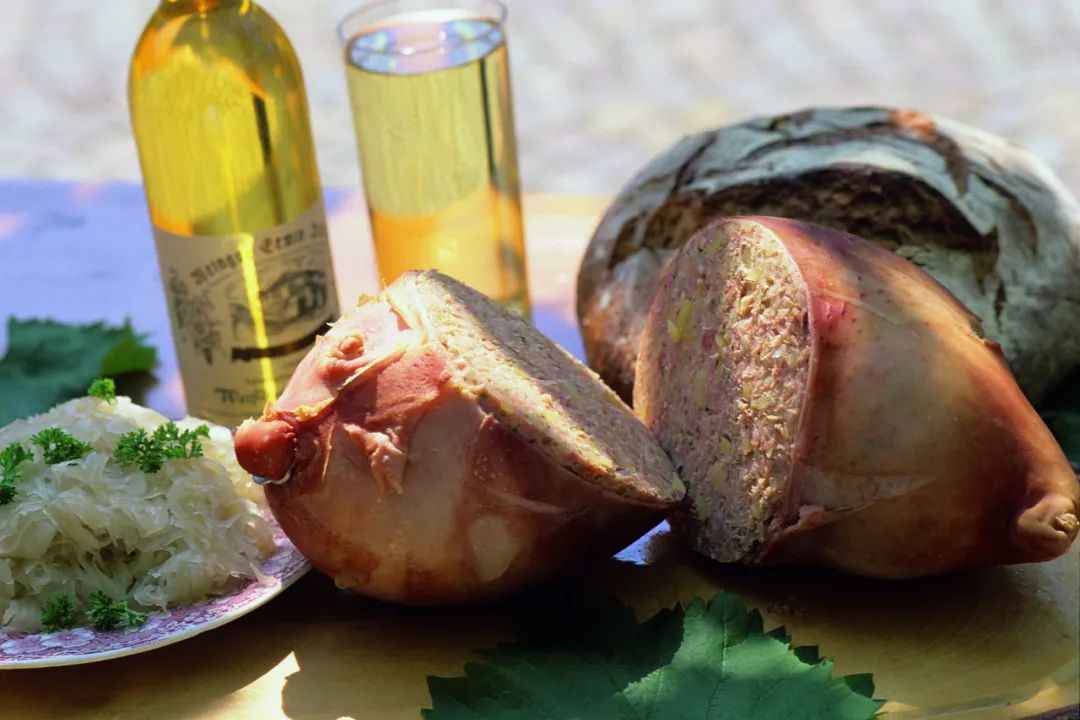
A specialty of the Rhineland-Palatinate region, Saumagen is made by stuffing a pig stomach with sausage meat, potatoes, and spices, then cooking and slicing it.
Why It Sparks Dread: The concept of using a pig stomach as a container is bold for foreigners, who may be put off by the (odor) and texture of offal.
Foreign Reactions: "Eating a stomach? Doesn’t the stuff inside feel like it’s already been ‘processed’ once?"
These dishes highlight the fascinating cultural diversity in food preferences. While they may surprise or even challenge foreign tastes, they remain cherished parts of Germany’s culinary identity, reflecting regional traditions and historical cooking practices. For adventurous eaters, they offer a unique window into the heart of German culture – though newcomers might want to approach them with an open mind (and perhaps a small first bite).
Note: This article is for cultural exchange purposes and does not reflect a judgment on any culinary tradition.